Every major process safety incident in history shares a common thread: a hazard that existed in the design or operation of the facility went unrecognised, underestimated, or unmanaged until it was too late. Hazard Analysis exists to close that gap, systematically identifying what can go wrong before a process is ever commissioned, and continuing to challenge that understanding throughout the asset’s operating life as conditions and equipment change.
For high-hazard facilities in Malaysia’s oil and gas, petrochemical, and manufacturing sectors, hazard analysis is not a one-time compliance exercise. It is the foundation that every other layer of process safety is built upon, from Safety Integrity Level assignment to emergency response planning, and weaknesses at this stage tend to propagate silently into every study that follows.
What Hazard and Operability Analysis Involves
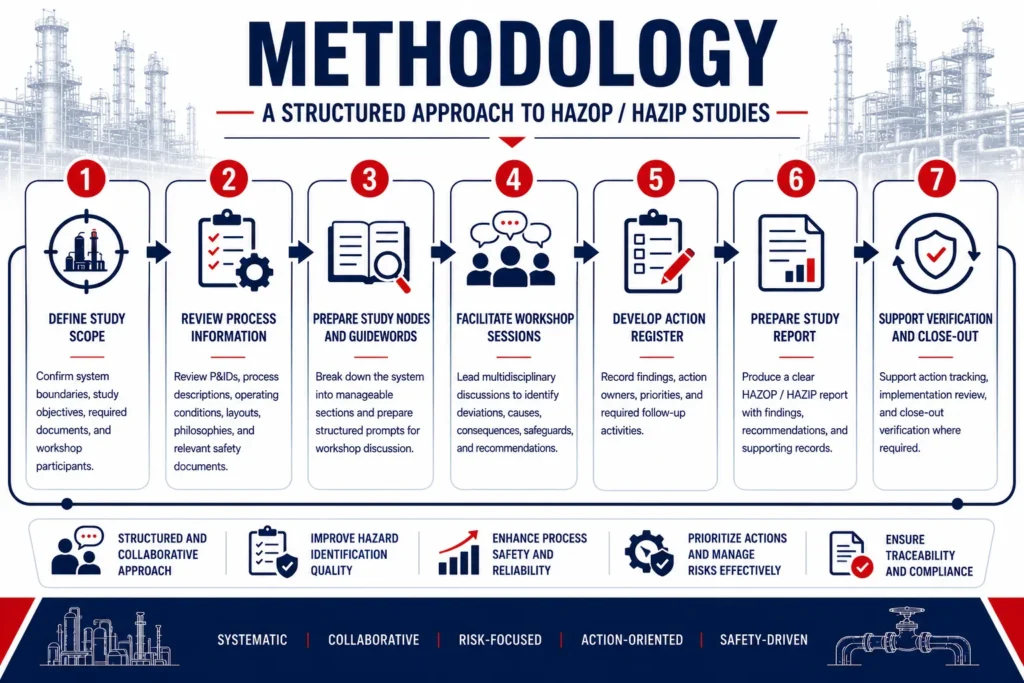
Hazard and Operability Analysis, commonly known as HAZOP, is a structured, team-based technique that systematically examines a process design or operation using guide words such as “more,” “less,” “no,” and “reverse” applied against process parameters like flow, pressure, and temperature, often facilitated by a dedicated HAZID consultant at the earliest project stages. The objective is to identify deviations from design intent and determine whether those deviations could lead to a hazardous outcome or an operability problem that disrupts production without necessarily causing harm.
Unlike a checklist review, HAZOP is deliberately exploratory rather than confirmatory. A multidisciplinary team of process, instrumentation, operations, and safety personnel walks through the process systematically, node by node, questioning assumptions that individual disciplines might otherwise take for granted, and it is this cross-disciplinary friction, not any single expert’s opinion, that surfaces the most valuable findings.
Why Hazard Analysis Matters Beyond Compliance
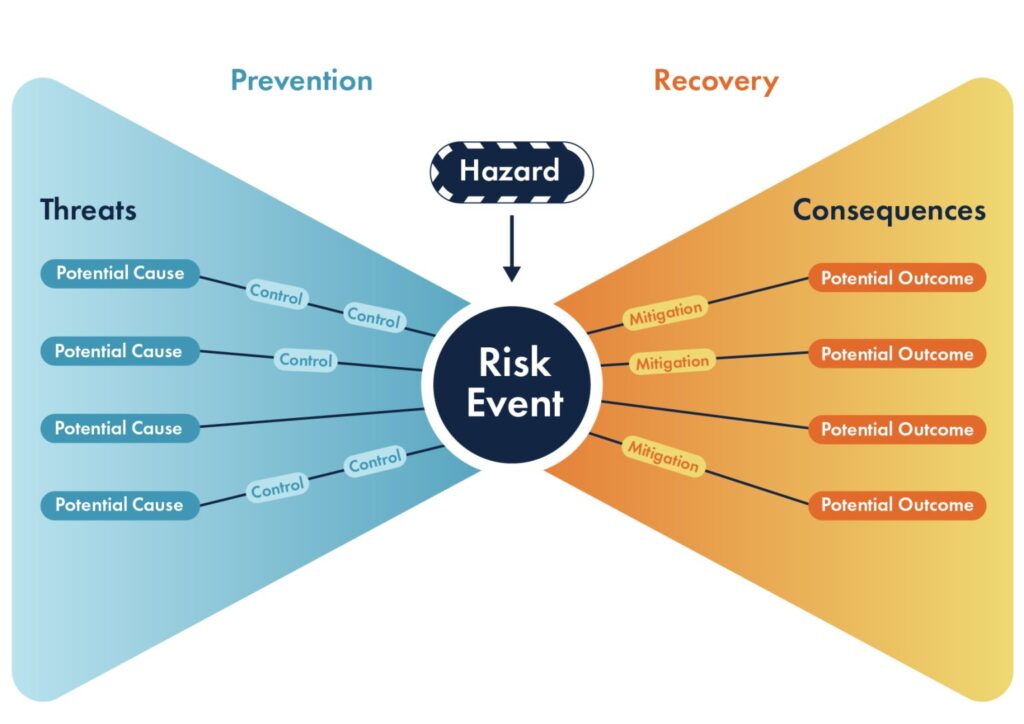
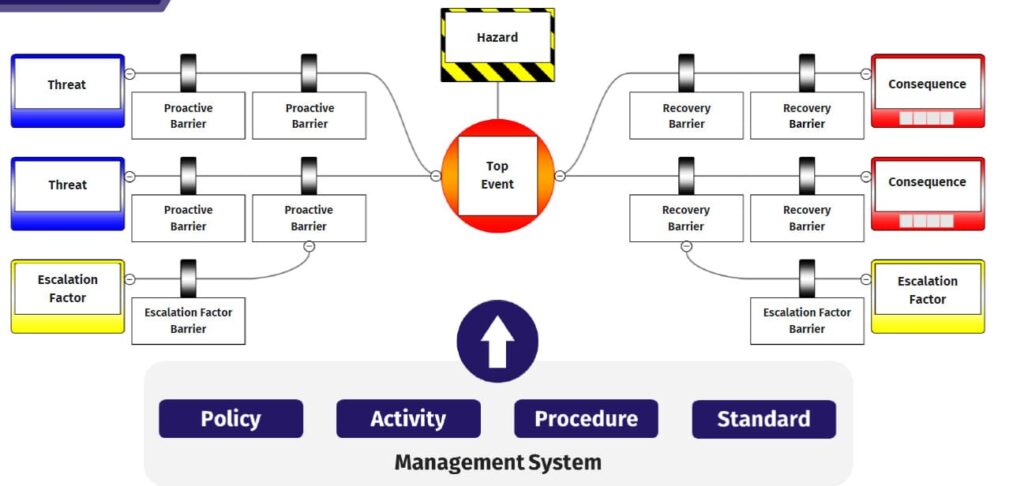
Regulatory bodies in Malaysia, including DOSH, expect documented hazard studies for facilities handling hazardous chemicals under CIMAH requirements. But treating HAZOP purely as a regulatory checkbox misses its actual value to the organisation running the plant, especially once findings are mapped visually through techniques such as bowtie analysis.
A well-facilitated hazard analysis identifies design gaps while they are still cheap and easy to fix, rather than after construction or during live operation when correction costs multiply. It surfaces operability issues that would otherwise only appear as recurring operational headaches that operators simply learn to work around. It also provides the technical basis for downstream studies, since LOPA, SIL assessment, and alarm rationalisation all depend on hazard scenarios first identified in HAZOP. Perhaps most importantly, it builds shared understanding of risk across disciplines that often work in isolation from one another during day-to-day operations.
Common Weaknesses in Hazard Studies
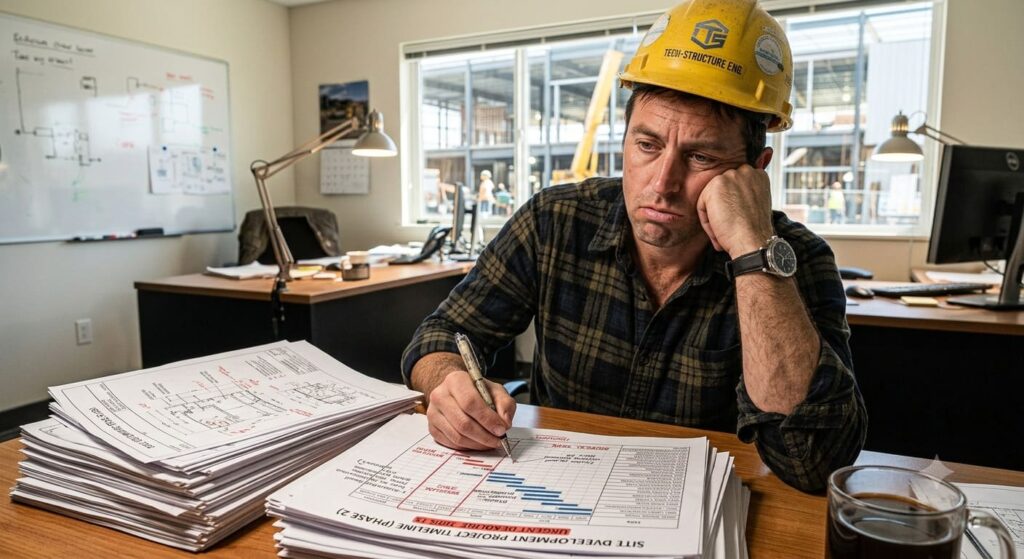
The quality of a hazard analysis depends heavily on facilitation and team composition. Studies conducted with an inexperienced facilitator, an incomplete team, or under time pressure to simply “get through the P&IDs” tend to produce superficial findings, where deviations get logged but the underlying causes and consequences are never fully explored.
Another common weakness is treating HAZOP as a standalone, one-off event rather than a living study that gets revalidated after Management of Change, plant modifications, or extended periods of operation. Facilities that skip revalidation often carry outdated hazard registers that no longer reflect the as-operated plant, which means the safety case on file may not describe the plant actually running today. A further weakness is inconsistent recording, where action items from a HAZOP are logged but never formally tracked to closure, leaving identified hazards unresolved indefinitely.
What This Looks Like in Practice
Rigorous facilitation is what separates a hazard study that genuinely reduces risk from one that merely satisfies an audit requirement. Pure Integrity’s consultants have facilitated HAZOP and hazard revalidation studies across offshore platforms, onshore plants, and FPSOs throughout Malaysia and the wider region, bringing structured questioning and independent challenge to teams who are often too close to the process to see its blind spots. That outside perspective is frequently what turns a routine study into one that actually changes design or operating practice.
Getting It Right the First Time
Pure Integrity provides independent HAZOP and hazard analysis facilitation for new designs, existing operations, and post-modification revalidation. Our process safety consultants bring both the technical depth and the facilitation discipline needed to ensure hazard studies produce genuinely actionable findings, not just a completed checklist that sits in a filing cabinet until the next audit.
If your facility is due for a HAZOP, revalidation, or an independent review of existing hazard studies, contact us at pureintegrity.co to discuss your requirements.
References
- Center for Chemical Process Safety (CCPS), Guidelines for Hazard Evaluation Procedures, AIChE.
- IChemE, HAZOP: Guide to Best Practice, 3rd Edition.
- Department of Occupational Safety and Health Malaysia (DOSH), Guidelines on Occupational Safety and Health (CIMAH) Regulations 1996.
Published by Pure Integrity Sdn. Bhd. — Process Safety and Functional Safety Consultants, Malaysia.
Image credit: https://riskonnect.com