
In high-hazard industries such as oil and gas, petrochemicals, and power generation, the consequences of process failure extend far beyond financial loss. A single uncontrolled release of hazardous material can result in loss of life, environmental damage, and permanent reputational harm.
Process Safety Management (PSM) is the structured framework that prevents this from happening.
What Is Process Safety Management?
PSM is a systematic approach to identifying, evaluating, and controlling the hazards associated with highly hazardous chemicals and complex industrial processes.
Unlike occupational safety – which addresses day-to-day workplace risks, PSM targets the integrity of entire processes and systems that, if they fail, can trigger large-scale catastrophes.
The need for PSM became globally recognised following major industrial disasters such as the Bhopal gas tragedy (1984) and the Piper Alpha explosion (1988).
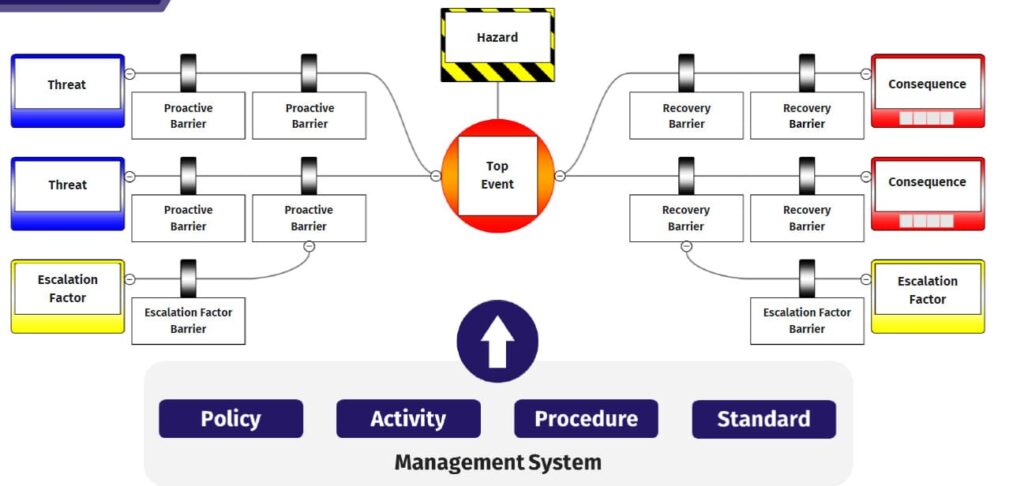
These events demonstrated that major accidents are rarely caused by a single failure, they result from the gradual erosion of multiple safety barriers over time.
The Core Elements of PSM
A complete PSM programme is built on 14 interconnected elements defined under OSHA’s 29 CFR 1910.119 standard. Each element addresses a specific aspect of hazard management:
- Process Safety Information (PSI) – documented data on hazardous chemicals, equipment design, and safe operating limits
- Process Hazard Analysis (PHA) – systematic identification and evaluation of process hazards using techniques such as HAZOP and HAZID
- Operating Procedures – Documented procedures for safely operating the process.
- Employee Participation – Encourage active participation from employees in the
formulation and implementation of safety procedures.This fosters accountability and promotes a safety culture. - PSM Training – Personnel must be trained to understand and recognize abnormal situations and respond properly.
- Contractor Training – Contractors working on-site must be managed safely and trained.
- Pre-startup safety review – A final verification to prevent unsafe startup conditions
- Mechanical Integrity – ensuring critical equipment such as pressure vessels, piping, and relief devices are designed, maintained, and inspected to standard
- Management of Change (MOC) – formal review and approval of all changes to process, equipment, or procedures before implementation
- Emergency Planning and Response – prepared response plans, tested through regular drills and coordination with local emergency services
- Accident Investigation – Investigate incidents and near misses to determine root causes, contributing factors and corrective actions
- Emergency Planning and Response – Prepare for potential emergencies such as fire, explosion and toxic release
- Compliance Audits – Periodic audits to verify whether the PSM system is functioning effectively
- Trade Secrets – Ensures confidentiality policies do not prevent access to safety-critical information.
These elements do not operate in isolation. For example, findings from a Process Hazard Analysis directly inform the development of operating procedures and the design of Safety Instrumented Systems (SIS) which must meet the reliability requirements defined under IEC 61511.
PSM and Operational Excellence
Effective PSM is not merely about regulatory compliance. It is a driver of operational performance.
Organisations that implement PSM rigorously benefit from reduced unplanned downtime, improved asset reliability, and stronger regulatory standing.
A robust PHA programme, including periodic HAZOP revalidations – ensures that the original hazard analysis remains valid as plant conditions evolve.
Underpinning all of this is a commitment to Asset Integrity Management the discipline of operating and maintaining assets in a condition that minimises safety, environmental, and business risk throughout their lifecycle.
The Human Element in Process Safety
Technical systems and documentation are only as effective as the people behind them. PSM demands not just engineering rigour, but a genuine culture of safety – where every team member understands the hazards they work with and takes personal ownership of the barriers that protect against them.
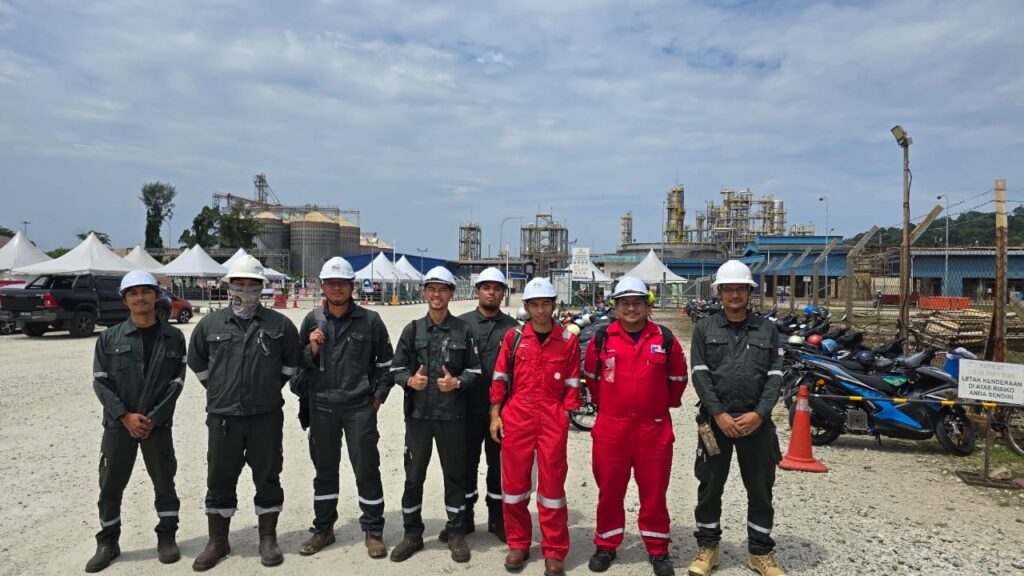
This reality is best understood through experience. Johan Kamaruzzaman, Director of Pure Integrity has led major organizations through implementation of PSM elements as well as revalidation of many high hazard facilities PHA. He also has vast experience as an operation professional and had led diverse teams in the area of Process Safety.
Coordinating live equipment handovers, maintaining mechanical integrity under time pressure, and ensuring every change is properly assessed before startup: these are not abstract concepts from a standard. They are decisions made under real operational conditions, with real consequences.
His reflection on that experience captures what PSM ultimately demands:
“Stay hungry to learn, remain humble in receiving lessons from those with experience.”

It is this combination of technical knowledge and hard-won field experience that defines effective process safety practice.
How Pure Integrity Can Help
At Pure Integrity Sdn. Bhd., we support clients across Malaysia and Southeast Asia in building and sustaining effective PSM programmes. Our services include HAZOP studies, HAZID workshops, LOPA and SIL assessment, Functional Safety Assessment (FSA), and Alarm Rationalisation – delivered by experienced consultants with deep expertise in oil and gas, petrochemical, and power generation environments.
To discuss your process safety needs, contact us at https://pureintegrity.co/contact-us/
References :
1. Jabatan Keselamatan dan Kesihatan Pekerjaan (DOSH), Competent Person Major Hazard – Occupational Safety and Health (Control of Industrial Major Accident Hazards) Regulations 1996. Akses: https://www.dosh.gov.my/index.php/services/enforcement/certification/competent-person-info/1613-mh-cp
2. Energy Institute, High Level Framework for Process Safety Management, 2010. Akses: https://publishing.energyinst.org/topics/process-safety
3. Rashid MI, Athar M, Mobeen A, et al., Implementation Guide for Process Safety Management, Systems Engineering (Wiley), 01-Mac-2024. Akses: https://incose.onlinelibrary.wiley.com/doi/abs/10.1002/sys.21732
—
Published by Pure Integrity Sdn. Bhd. – Leading Safety & Integrity Engineering Consultant In Malaysia