

Training Summary
This 5-day FS Engineer (TÜV Rheinland) PH&RA course, delivered by Pure Integrity in partnership with C&C Technical Support Services, gives process, safety, instrument, and operations professionals the tools to identify hazards and assess risk in line with the early lifecycle phases of IEC 61508/IEC 61511. The course comprises four days of classroom tuition and practical guidance, followed by a five-hour competency assessment on day five.
Delivered by David Kirkwood, a UK-based Functional Safety expert with 30 years of experience, this programme covers hazard analysis tools (What-If, HAZOP, HAZAN), risk assessment techniques (SIL, LOPA, FMEA, ETA, FTA), and the framework for building an effective Safety Management System. This course is 100% HRD Corp claimable, with group registration discounts available.
TÜV Rheinland FS PH&RA Training Details
Why Attend
- Master Core Hazard Analysis Tools: Build practical skill in What-If, HAZOP, and HAZAN methods for identifying process hazards.
- Learn Recognised Risk Assessment Techniques: Apply SIL determination, LOPA, FMEA, ETA, and FTA to quantify and reduce risk.
- Use Risk Graphs & Protection Layers: Understand risk graphs, matrices, and layer of protection analysis for real-world risk judgement.
- Build Effective Safety Management Systems: Learn the SMS framework required for greenfield project lifecycle risk management.
- Earn a Globally Recognised Certification: Successful participants achieve the FS Engineer (TÜV Rheinland) PH&RA certificate, listed on the TÜV Rheinland Certipedia database.
Training Module
- Section 1: Process Safety, Risk Management & Legislative Framework: Covers occupational vs. process safety, risk management principles, hazards and associated risks, the EU SEVESO 2 Directive, safety legislation and compliance, the ALARP concept, IEC 61511, management of functional safety, inherent safety, and an introduction to Safety Instrumented Functions (SIF) and PH&RA methods.
- Section 2: Hazard Identification Methods: Covers hazard identification techniques including HAZOP (per IEC 61882 scope, methodology, team roles, node selection, guidewords, action management, and reporting), What-If Analysis, Checklist Analysis, the Bowtie method, HAZOP/What-If for non-routine operating modes, and Failure Modes and Effect Analysis (FMEA).
- Section 3: Risk Assessment Techniques & Safety Requirements: Covers Primary and Secondary Functions of the SIS, qualitative risk analysis using risk graphs, Layer of Protection Analysis (LOPA) including independent protection layers and tolerable risk setting, Event Tree Analysis (ETA), Fault Tree Analysis (FTA), and development of the Safety Requirements Specification (SRS).
- Day 5: Competency Assessment: A structured 5-hour, two-part proficiency examination testing both theoretical knowledge and applied hazard and risk analysis skills.
Audience
- Process Engineers, Safety Engineers, and Instrument Engineers involved in maintaining the integrity of their processes.
- Operations Personnel with responsibilities spanning the early lifecycle phases of functional safety management.
- Professionals looking to build recognised competency in process hazard analysis and risk assessment methods (HAZOP, LOPA, SIL determination) ahead of applying them on live projects.
- Eligibility Requirement: Attendees seeking the certification must hold a university degree (or equivalent engineering experience/responsibilities certified by their employer or engineering institution) and have a minimum of 3 years of experience in process hazard analysis and risk assessment.
Venue
- Location: Kuala Lumpur, Malaysia
- Format: Classroom
- Organizers: Pure Integrity Sdn. Bhd. & C&C Technical Support Services
Date & Time
- Date: 23rd–27th November 2026
- Duration: 5-Day Training Programme
Course Outline
Process Safety & Risk Management
Understand the difference between occupational and process safety, core risk management principles, and the ALARP concept, framed within IEC 61511 and the requirements for managing functional safety.
Hazard Identification Methods
Learn to identify process hazards using HAZOP (per IEC 61882), What-If Analysis, Checklist Analysis, and the Bowtie method, and apply Failure Modes and Effect Analysis (FMEA) to system and equipment failures.
Risk Assessment & SIL Determination
Apply qualitative and semi-quantified risk assessment techniques — including risk graphs, Layer of Protection Analysis (LOPA), Event Tree Analysis (ETA), and Fault Tree Analysis (FTA) — to determine required Safety Integrity Levels.
Safety Requirements & Documentation
Develop the Safety Requirements Specification (SRS) and understand the documentation and reporting standards needed to formalise a defensible hazard and risk analysis basis.
Training Itinerary
Section 1: Process safety, risk management principles, legislative framework, IEC 61511, ALARP, PH&RA introduction
Hazard Identification Methods I
- HAZOP per IEC 61882 (methodology, team roles, nodes, guidewords, reporting)
- HAZOP exercise
Hazard Identification Methods II
- What-If Analysis, Checklist Analysis & Bowtie method
- HAZOP/What-If for non-routine operating modes
- Failure Modes and Effect Analysis (FMEA)
Risk Assessment Techniques & SRS
- Primary/secondary SIS functions & qualitative risk graphs
- Layer of Protection Analysis (LOPA), including IPLs & tolerable risk
- Event Tree Analysis (ETA) & Fault Tree Analysis (FTA)
- Safety Requirements Specification (SRS)
ÜV Rheinland Proficiency Assessment
- 5-hour, two-part examination
- Part 1: 70 multiple choice questions
- Part 2: SIL determination (12 marks) & HAZOP (18 marks) written questions
- Pass score requirement: 75%
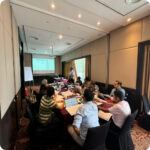
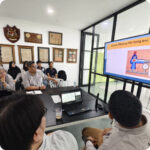
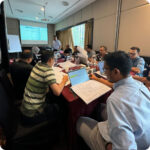
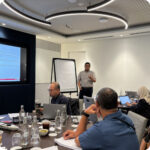
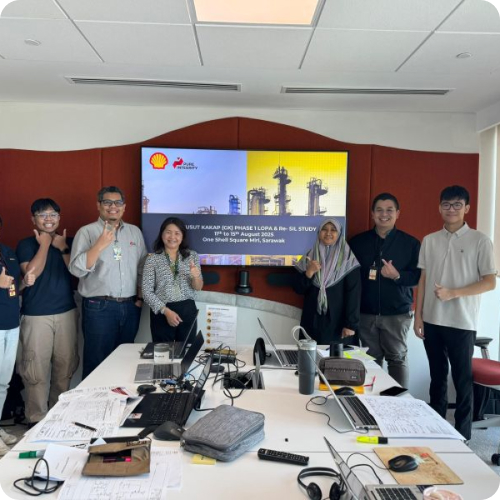
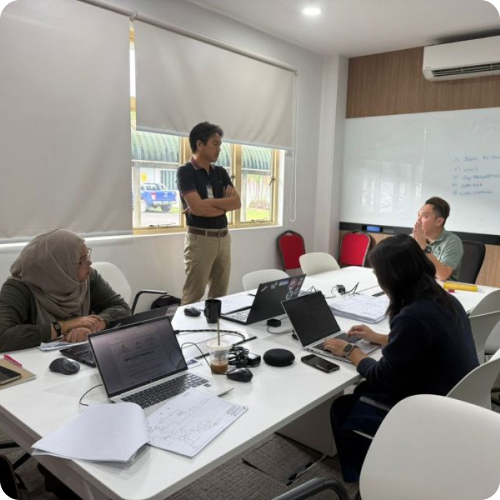
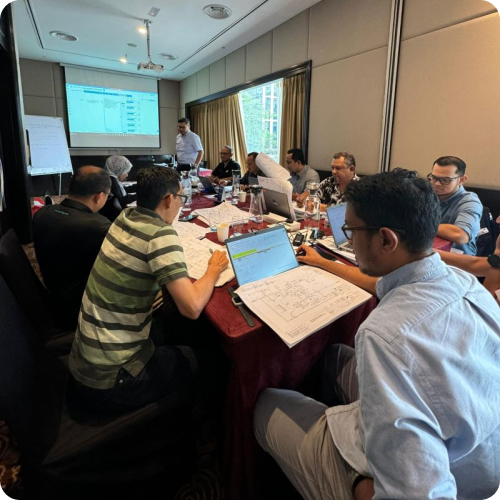
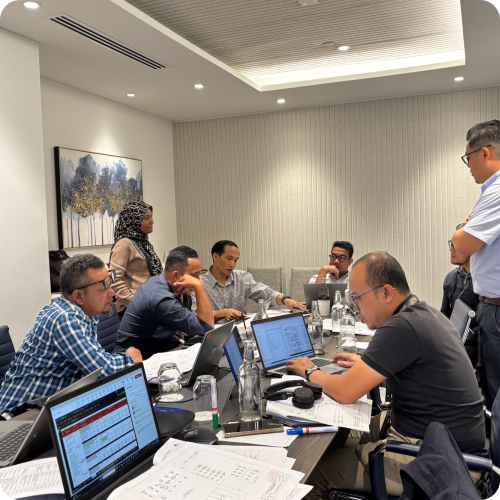
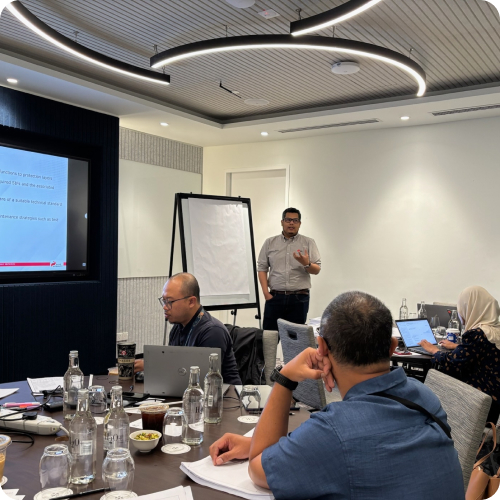
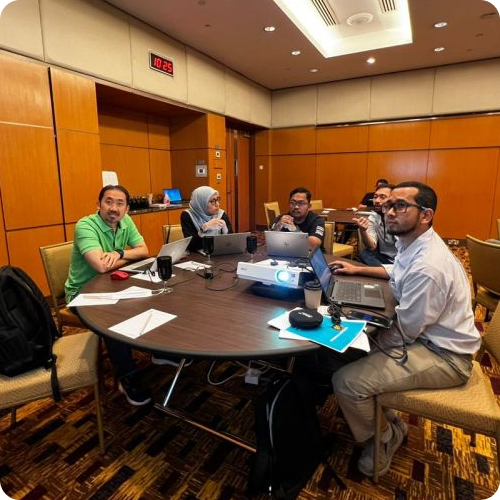
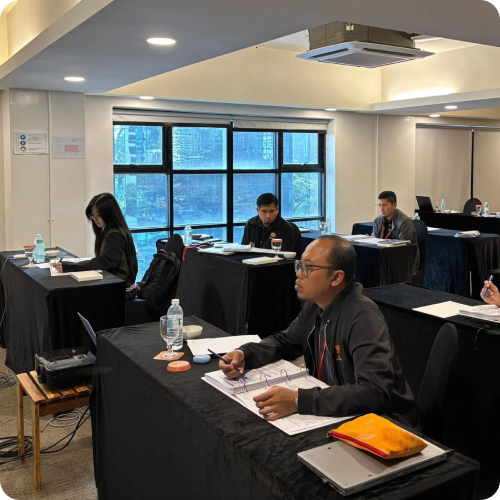
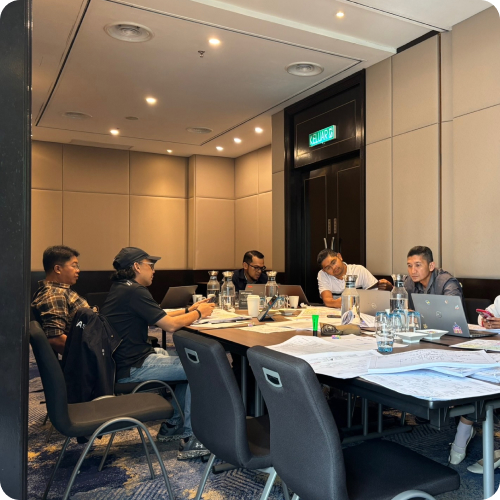
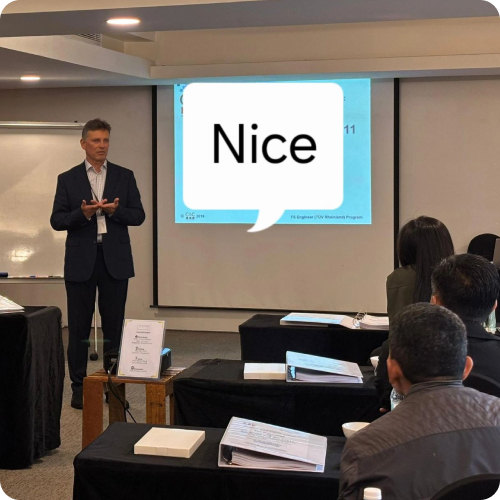
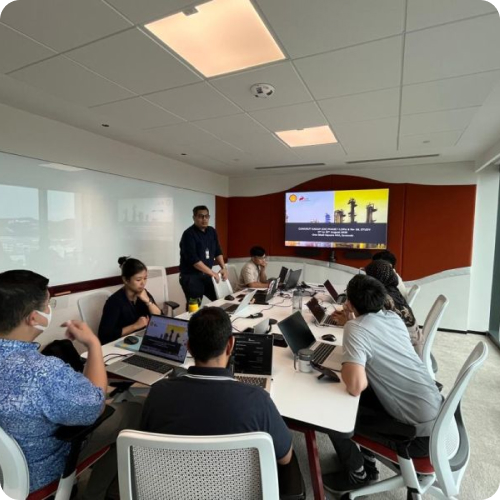
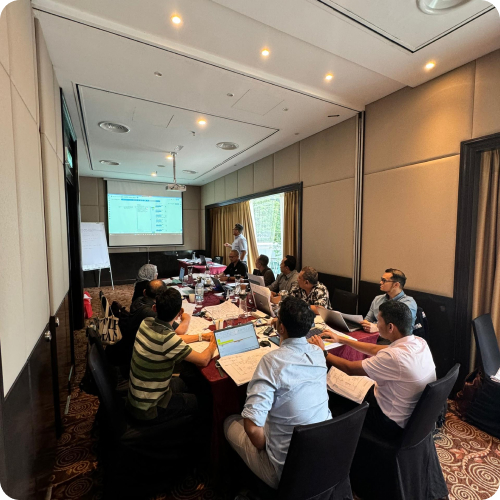
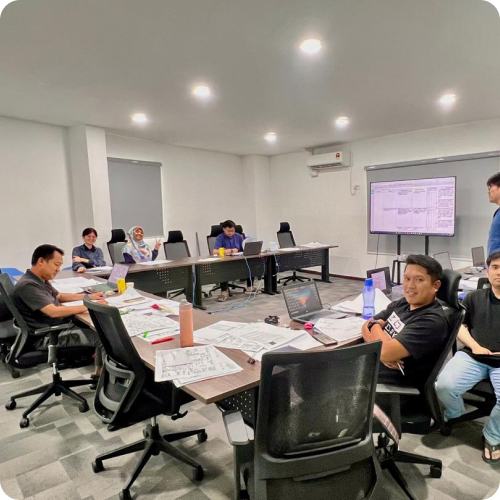
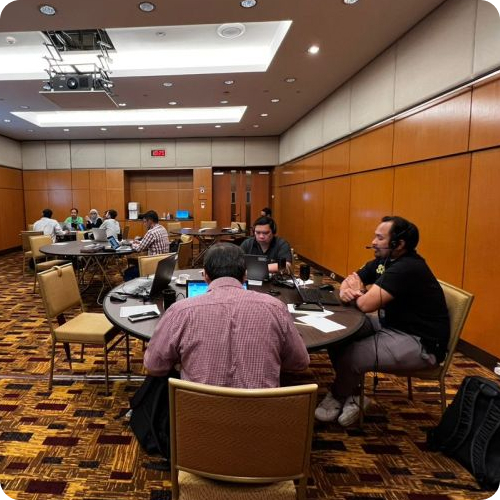
Training Session












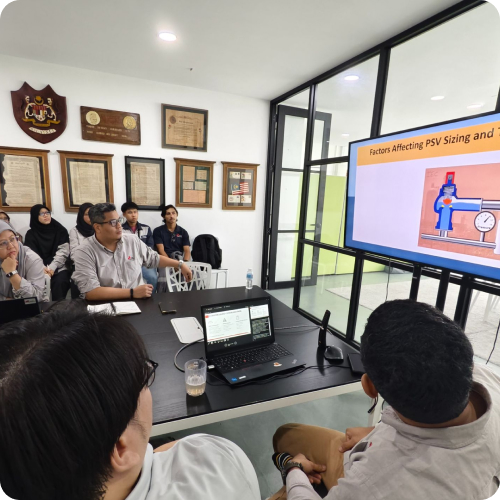
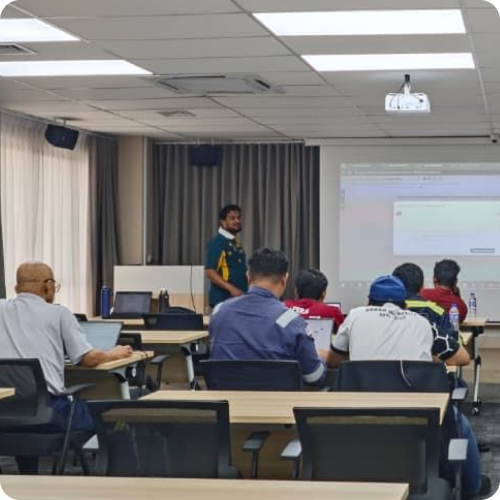
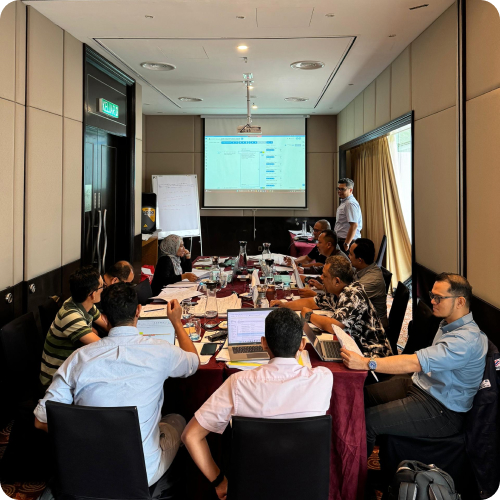
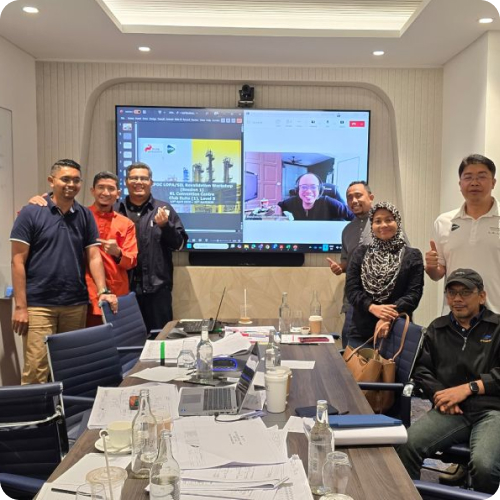

Build Recognised Process Hazard & Risk Analysis Expertise
Earn the FS Engineer (TÜV Rheinland) PH&RA certificate under the guidance of a UK-based Functional Safety expert with 30 years of experience.
FAQ
Everything you need to know about certifying and upskilling your technical team in Functional Safety.
What certificate do I receive?
Successful participants achieve the FS Engineer (TÜV Rheinland) PH&RA certificate. All certified FS Engineers are listed on the TÜV Rheinland Certipedia database.
Who is this course designed for?
The programme is designed for Process Engineers, Safety Engineers, Instrument Engineers, and Operations Personnel involved in maintaining process integrity, particularly those working in the early lifecycle phases of functional safety management.
Is this course HRD Corp claimable?
Yes, this 5-Day TÜV Rheinland Functional Safety Engineer PH&RA course is fully HRD Corp claimable.
What are the eligibility requirements?
Participants need a minimum of 3 years of experience in process hazard analysis and risk assessment, and a university degree or equivalent engineering experience and responsibilities certified by employer or engineering institution.
How is the final assessment structured?
The assessment on Day 5 runs 5 hours and has two parts: 70 multiple choice questions (1 mark each) and two written questions covering SIL determination (12 marks) and HAZOP (18 marks). The pass score requirement is 75%.
Related Training
Build Recognised Process Hazard & Risk Analysis Expertise
Earn the FS Engineer (TÜV Rheinland) PH&RA certificate under the guidance of a UK-based Functional Safety expert with 30 years of experience.