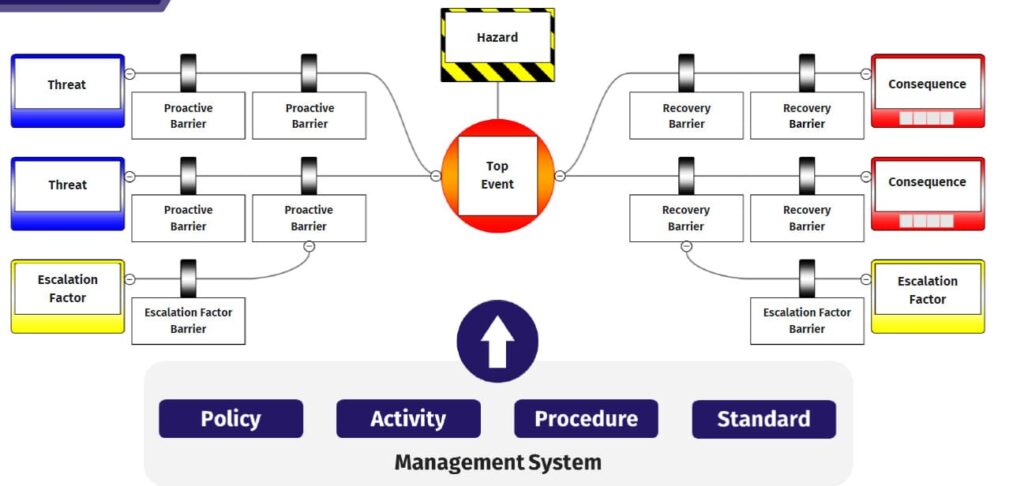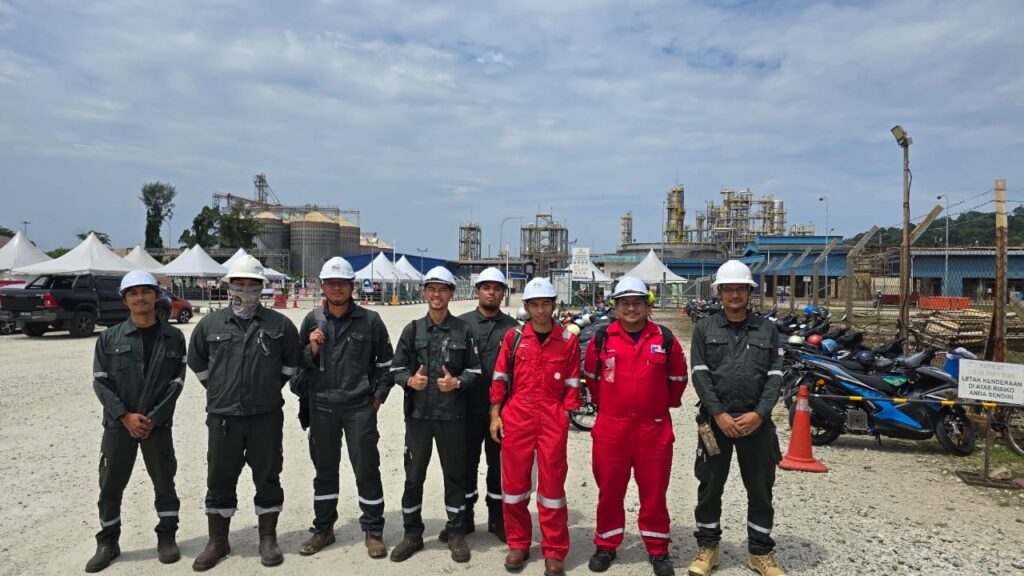
When a process safety incident occurs, the first few minutes determine everything that follows: whether an upset is contained quickly or escalates into a major emergency, whether personnel evacuate safely, and whether the response is coordinated or chaotic. None of that happens by instinct. It happens because a facility has an Emergency Response Plan (ERP) that has been properly developed, communicated, and rehearsed long before it is ever needed for real.
For high-hazard facilities in Malaysia, an ERP is both a regulatory expectation and, more importantly, the difference between a controlled incident and a catastrophic one. Yet many facilities treat their ERP as a static document, written once to satisfy an audit, then left untouched on a shelf until the next inspection cycle rolls around.
What an Emergency Response Plan Should Cover

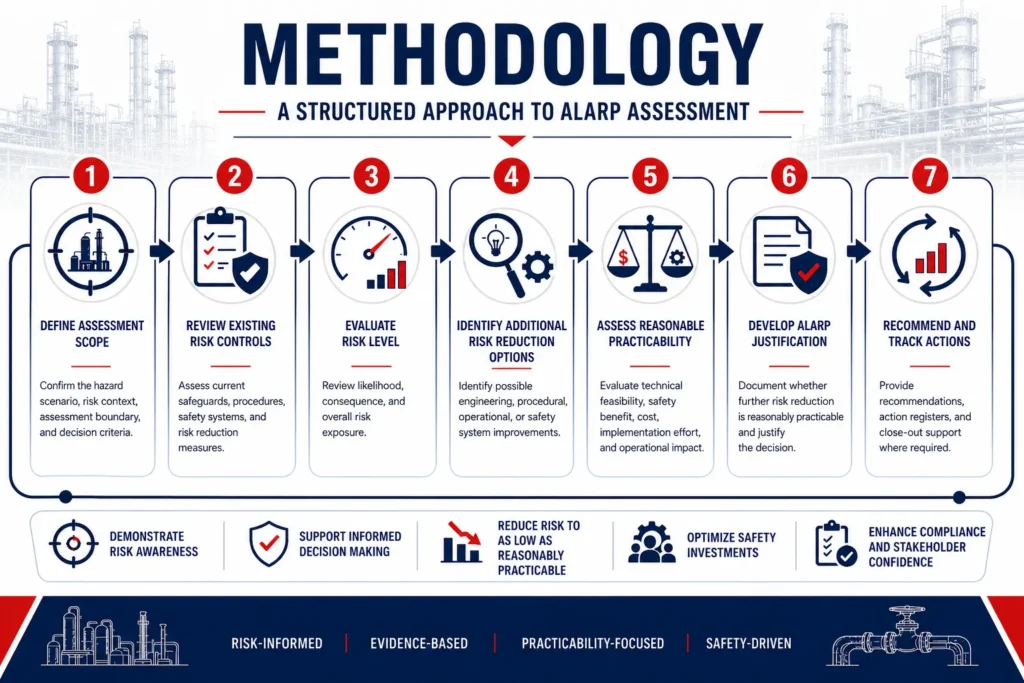
A comprehensive ERP is built on scenario-specific planning, not generic procedures copied from a template. At minimum, it should address credible emergency scenarios derived from the facility’s own hazard studies such as HAZOP and HAZID, tested against ALARP assessment rather than from generic industry examples that may not reflect the site’s actual risks. It needs a clear command structure covering roles and responsibilities, from incident controller down to individual response teams, with named backups for every critical role in case key personnel are unavailable when an incident occurs.
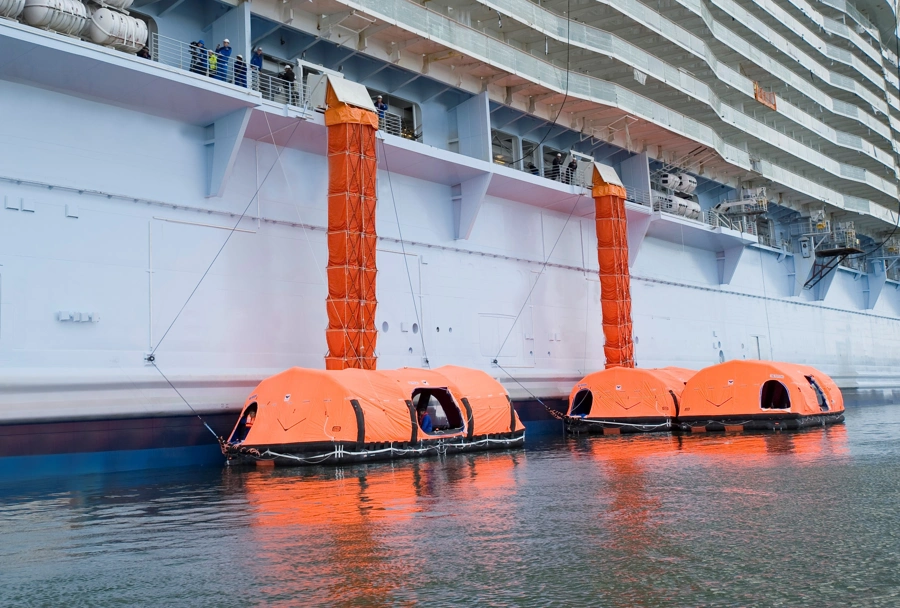
Communication protocols matter just as much, covering internal notification chains, external agency contacts, and public or media communication where relevant, since confused or delayed communication is a recurring theme in post-incident reviews. Evacuation and muster procedures must be specific to the facility layout, including offshore-specific considerations such as helideck and lifeboat readiness that have no onshore equivalent. Finally, mutual aid and external emergency services coordination requires pre-established relationships with local fire, medical, and DOSH authorities, built well before an emergency, not negotiated during one.
Why Generic Plans Fail
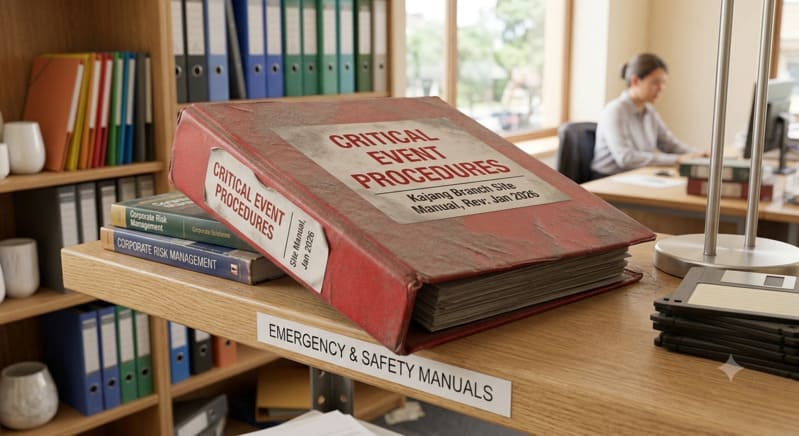
The most common weakness in ERPs is that they are written from a template rather than derived from the facility’s actual hazard profile. A plan that does not reflect the specific credible scenarios identified in the site’s own HAZOP or HAZID will inevitably miss the response actions that matter most when a real emergency unfolds, leaving responders working from a document that describes a different plant.
The second common failure is lack of rehearsal. An ERP that exists only on paper, never tested through tabletop exercises or live drills, tends to reveal its gaps for the first time during an actual emergency, which is the worst possible moment to discover them. A third failure is stale contact information and outdated organisational charts, which sound minor until an incident controller cannot reach the one person who knows how to isolate a critical system.
Building an ERP That Actually Works
An effective ERP development process typically follows a clear sequence, beginning with scenario identification drawn directly from hazard and risk assessments already conducted for the facility as part of a broader process safety management framework. Response strategy development follows, defining specific actions, resources, and command structures for each credible scenario identified in that first step.
Documentation and communication come next, producing a plan that is genuinely usable under pressure rather than a document that only reads well in an office review. Training and drills follow, with regular tabletop exercises and live simulations that validate the plan and build the kind of response muscle memory that pure documentation cannot provide. The process closes with review and revalidation, updating the ERP whenever the facility, personnel, or hazard profile changes materially, so the plan ages alongside the plant rather than falling behind it.
A Note from the Field
Plans that work under pressure share one trait: they were built by people who understand both the process hazards and the operational reality of the site, not adapted from a template written for a different facility entirely. Pure Integrity’s process safety consultants develop ERPs directly from the hazard scenarios identified in each client’s own studies, and support facilities through tabletop exercises that expose gaps before a real emergency does, often surfacing issues that a paper review alone would never catch.
Ready When You Are
Pure Integrity develops and reviews Emergency Response Plans built on your facility’s actual hazard profile, and facilitates tabletop exercises to validate that your plan works in practice, not just on paper. This work sits within our wider process safety services.
If your ERP needs to be developed, updated, or independently reviewed, contact us at pureintegrity.co to discuss your facility’s requirements.
References
- Center for Chemical Process Safety (CCPS), Guidelines for Technical Planning for On-Site Emergencies, AIChE.
- Department of Occupational Safety and Health Malaysia (DOSH), Guidelines on Occupational Safety and Health (CIMAH) Regulations 1996.
- IChemE, Learning from Emergency Response in the Process Industries, IChemE Safety Centre.
Published by Pure Integrity Sdn. Bhd. — Process Safety and Functional Safety Consultants, Malaysia.
Image credit: viking-life.com