

Training Summary
This FS Engineer (TÜV Rheinland) SIS course is conducted in accordance with the TÜV Rheinland Functional Safety Training Program to help you master the application, principles, and requirements of IEC 61508 and IEC 61511.
Led by a TÜV Rheinland Functional Safety Expert, the program delivers four days of intensive classroom tuition and practical guidance based on real-life industrial examples, culminating in a comprehensive 5-hour competency assessment on the fourth day.
Designed for B2B engineering professionals, this training equips you with the technical capability to manage process hazard analysis, Safety Instrumented Systems (SIS) design, and optimal testing and maintenance strategies.
Successful participants who meet the eligibility criteria will earn the globally prestigious FS Engineer (TÜV Rheinland) SIS certificate and gain an official listing on the TÜV Rheinland Certipedia Database.
TÜV Rheinland FS Training Details
Why Attend
Master International Standards: Gain deep operational fluency in IEC 61508 for E/E/PE safety systems and IEC 61511 for the process sector.
Achieve Global Certification: Earn the prestigious FS Engineer (TÜV Rheinland) SIS certificate and secure your name on the official Certipedia database.
Practical, Real-World Learning: Execute hands-on practical exercises based on real-life engineering examples and complex industrial case studies.
Optimize Plant Safety & Costs: Learn to develop cost-effective Safety Instrumented System (SIS) designs and optimal testing and maintenance strategies to reduce process risk.
Prove Technical Competency: Validate your engineering skills by passing a rigorous 5-hour assessment consisting of 70 multiple-choice and 10 multi-part questions
Training Module
Module 1: Process Hazard Analysis & Risk Management: Covers IEC 61508/61511 background, ALARP principles, Safety Instrumented Functions (SIF), and SIL determination using Risk Graphs, Layer of Protection Analysis (LOPA), and Fault Tree Analysis (FTA).
Module 2: SIS Design, Reliability & Hardware Architecture: Explores Safety Requirements Specifications (SRS), component selection, field devices, Systematic and Random failures, Probability of Failure on Demand (PFD/PFH calculations), Safe Failure Fraction (SFF), and Hardware Fault Tolerance (HFT).
Module 3: Application Software & Lifecycle Integration: Focuses on software architecture, validation planning, Factory Acceptance Testing (FAT), Site Acceptance Testing (SAT), SIS validation, Fire and Gas systems, and Management of Change (MOC).
Module 4: Competency Assessment: A structured 5-hour proficiency examination testing your theoretical knowledge and practical engineering calculation skills.
Audience
- Instrument Engineers, Process Engineers, and Process Safety Engineers involved in any safety lifecycle phase.
- Senior Operating and Maintenance personnel responsible for hazard assessment, shutdown systems, or fire and gas systems.
- Engineering professionals managing the testing, maintenance, and modification of Safety Instrumented Systems.
- Eligibility Requirement: Attendees seeking certification must hold a university degree (or equivalent engineering diploma/experience) and have a minimum of 3 years of experience in functional safety and SIS
Venue
- Format: In-person, instructor-led classroom environment.
- Locations: Conducted at professional training centers across Malaysia (Johor Bahru, Kuantan, or Kuala Lumpur).
- Corporate Options: Customized in-house sessions can be arranged at client-provided or dedicated training facilities upon request.
Date & Time
- Duration: 4 Days total.
- Style : 3 days of classroom tuition & 1 day competency assessment.
- Schedule: 9:00 AM – 5:00 PM daily.
- Assessment Day: Day 4 features a dedicated 5-hour two-part proficiency examination.
Course Outline
Hazard Identification & SIL Targets
Understand primary and secondary functions, risk reduction (>10,000 times using instrumented layers), and execute SIL determination exercises.
Hardware Engineering & Reliability
Calculate PFD for low demand mode, calculate PFH for high and continuous demand mode, evaluate common cause failures (CCF), and determine Safe Failure Fraction (SFF).
Software Development & Testing
Master Application Software Requirements Specifications, module testing, integration, and modification procedures for FPL and LVL software.
Lifecycle Execution & Governance
Manage SIS overrides, inspect fractional dead times, implement partial closure testing of valves, and enforce strict document and change control
Training Itinerary
Regulations, Hazard Analysis & SIL Determination
- IEC 61508/61511 frameworks
- ALARP principles
- Risk graphs
- LOPA exercises
- Fault Tree Analysis (FTA)
SIS Hardware Design & Reliability Calculations
- Safety Requirements Specification (SRS)
- Proven-in-use devices
- PFD/PFH math
- Redundancy
- SFF exercises
- Common mode failure mitigation
Application Software, Testing & Change Management
- Software architecture
- FAT/SAT
- Fire and Gas systems
- Maintenance considerations
- Overrides
- Change control
TÜV Rheinland Proficiency Assessment
5-hour examination comprising :
- Part 1 (70 multiple-choice questions, 1 mark each)
- Part 2 (10 multi-part engineering questions, 3 marks each)
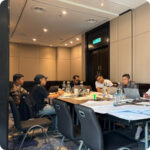
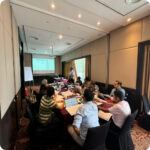
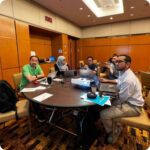
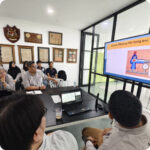
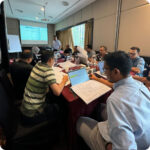
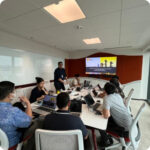
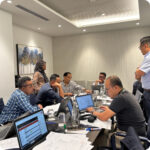
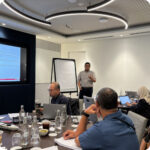
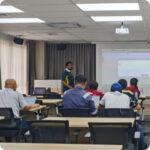
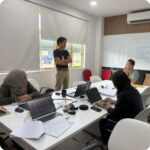
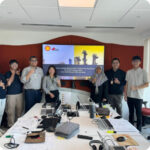
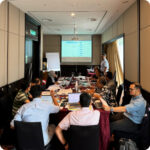
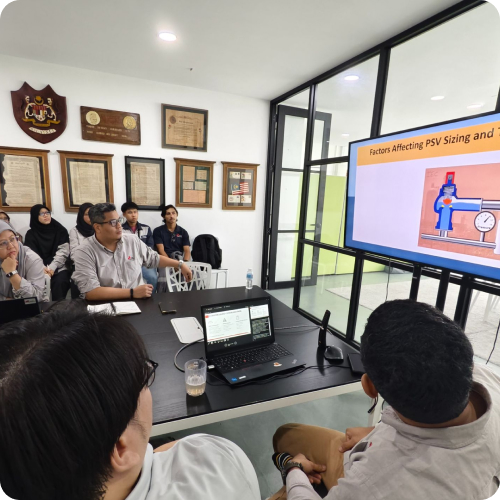
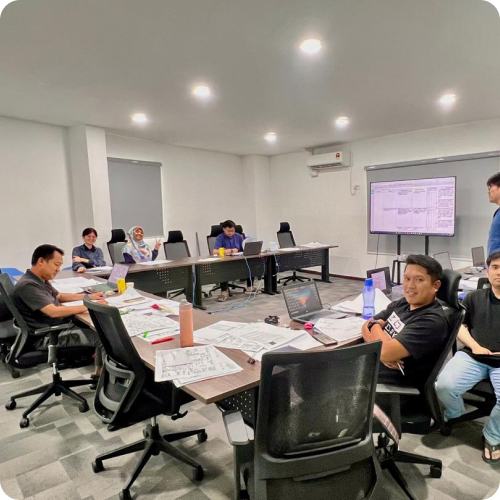
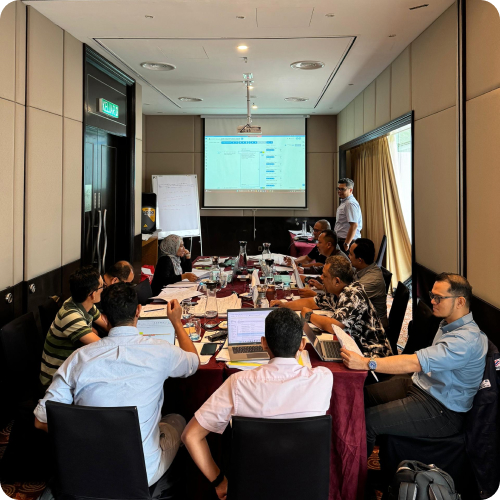
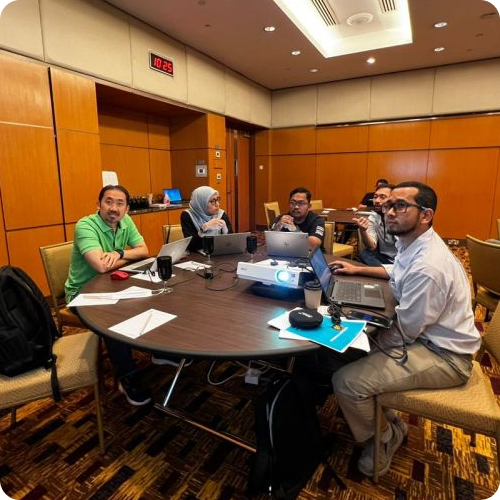
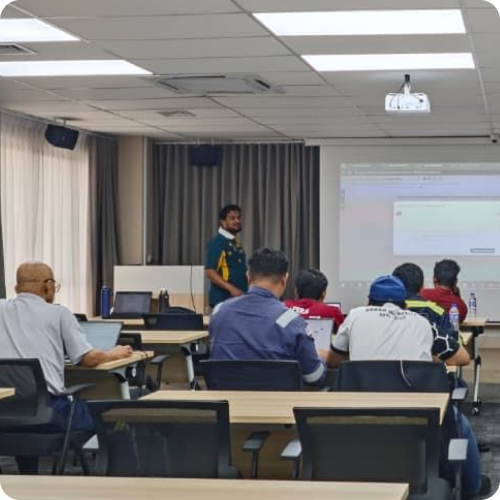
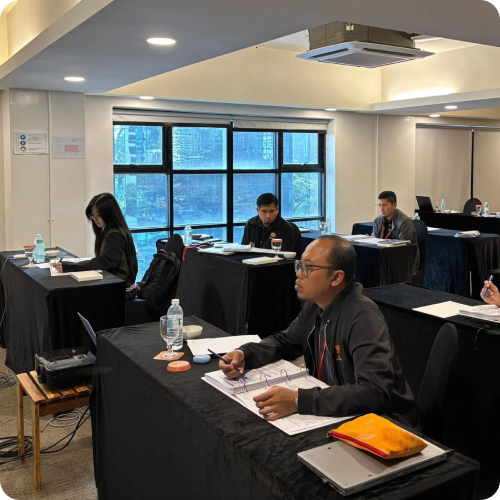
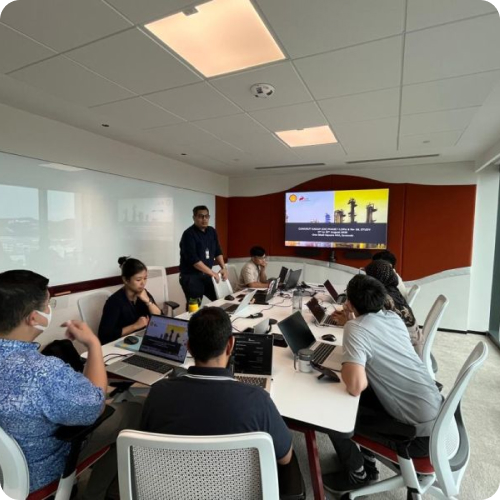
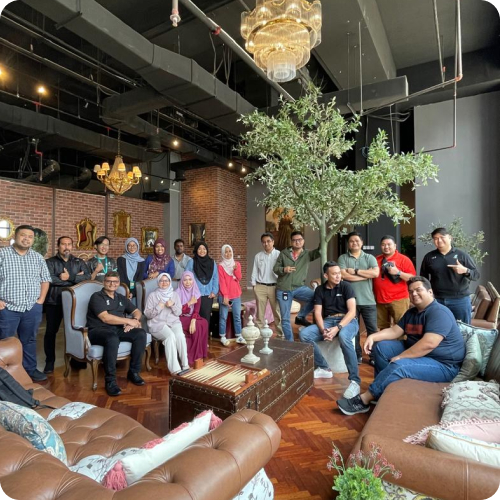
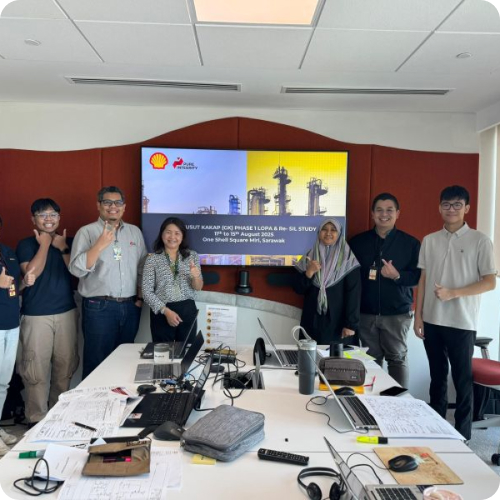
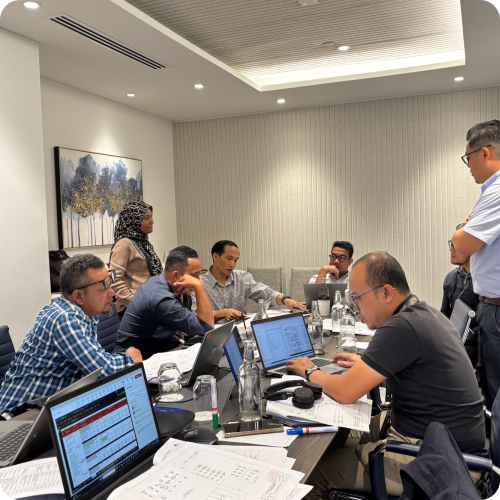
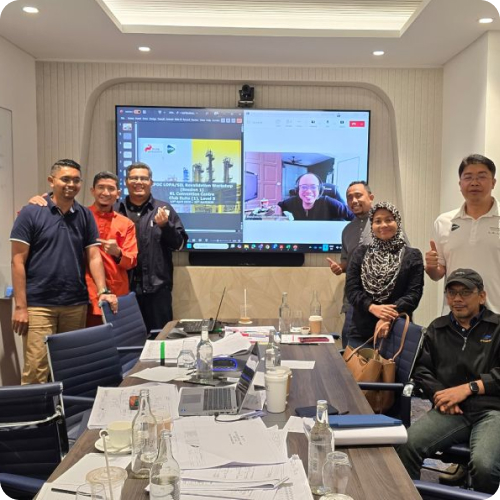
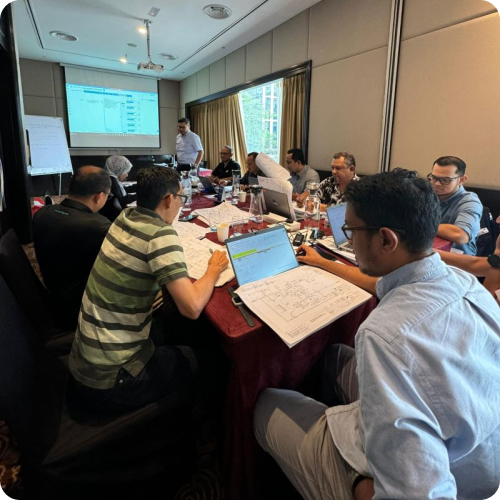
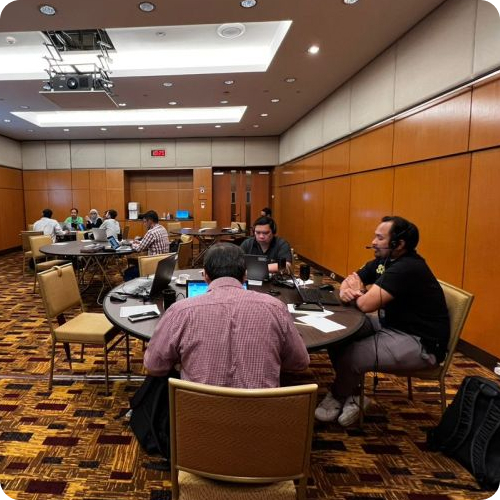
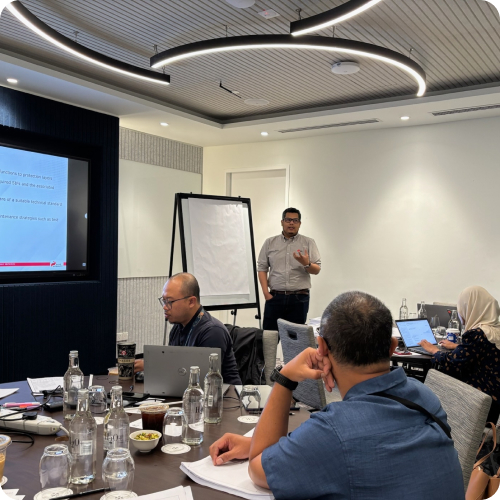
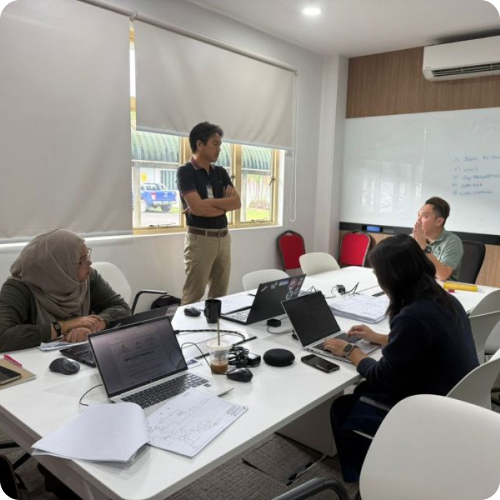
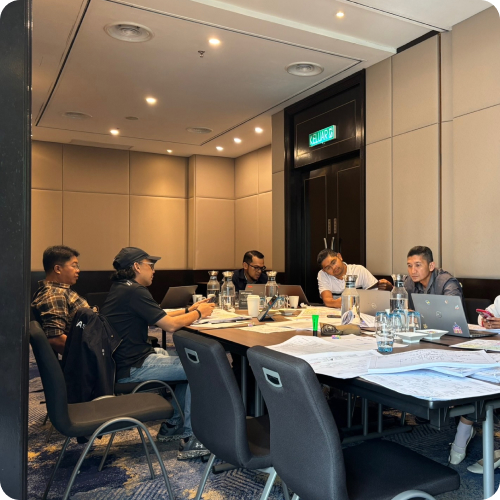
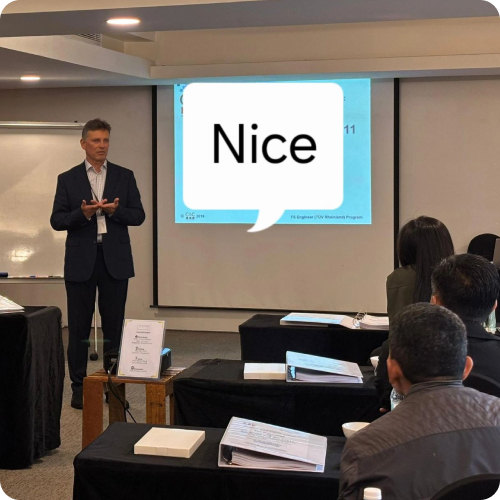
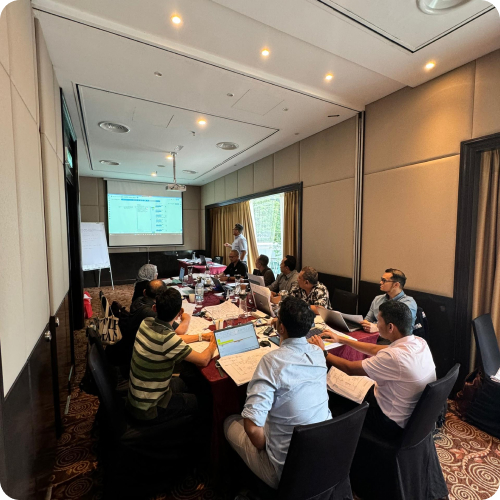
Training Session





Future-Proof Your Engineering Value
& Safeguard Plant Operations
Equip your engineering team with TÜV-backed functional safety competence to prevent catastrophic plant trips, eliminate compliance risks, and ensure zero-incident operations.
FAQ
Everything you need to know about certifying and upskilling your technical team in Functional Safety.
How to receive the official TUV Rheinland certificate?
To achieve the official FS Engineer (TÜV Rheinland) SIS certificate, you must have a minimum of 3 years of experience in functional safety and safety instrumented systems, hold a university degree (or equivalent engineering diploma/experience certified by your employer), and achieve a 75% passing score on the final examination.
Format & passing criteria for the 4 Day exam?
The examination is a 5-hour, two-part assessment. Part 1 consists of 70 multiple-choice questions (1 mark each), and Part 2 consists of 10 multi-part questions (3 marks available per question). A minimum total score of 75% is required to pass.
Spesific international engineering standards covered in this course?
The training strictly follows IEC 61508 (Functional Safety of electrical/electronic/programmable electronic safety systems) and IEC 61511 (Functional Safety: Safety Instrumented Systems for the Process Sector)
Practical exercise & real-world industrial examples included?
Yes, practical exercises and industrial case studies based on real-life engineering examples are embedded throughout the three days of classroom tuition to ensure practical mastery of SIL determination, PFD/SFF calculations, and LOPA.
Related Training
Future-Proof Your Engineering Value
& Safeguard Plant Operations
Equip your engineering team with TÜV-backed functional safety competence to prevent catastrophic plant trips, eliminate compliance risks, and ensure zero-incident operations.