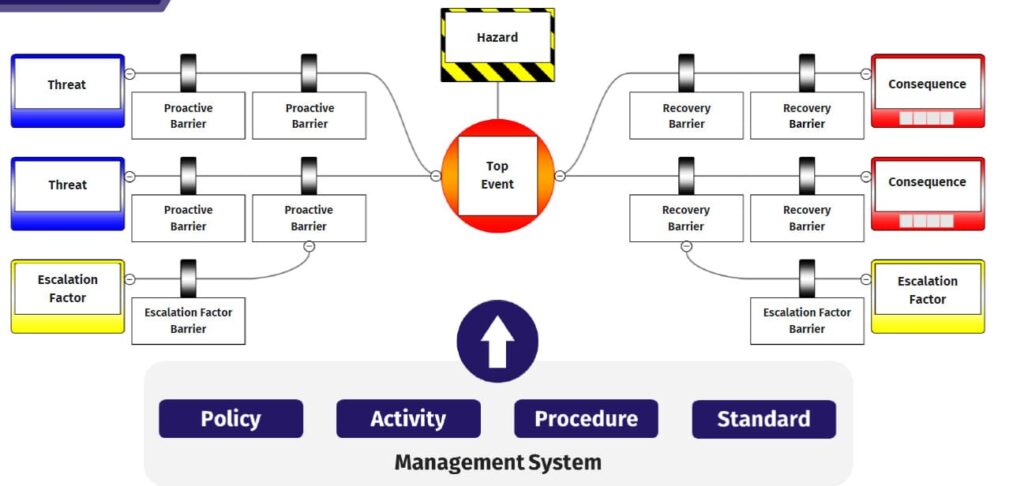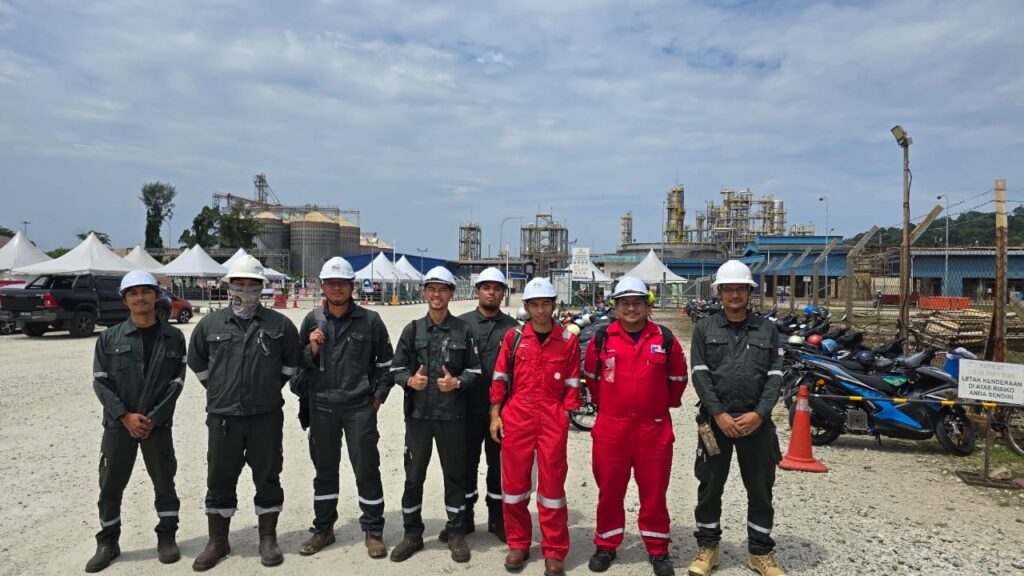

There is a principle I come back to repeatedly in process safety work: the earlier you find a hazard, the cheaper and easier it is to deal with. This sounds obvious when stated plainly, but the track record of industrial incidents tells a different story. A significant proportion of operational accidents fires, releases, structural failures, catastrophic events can be traced back to hazards that existed in the design, were never systematically identified, and were therefore never addressed.
Hazard Identification HAZID is the structured methodology that addresses this. Conducted at the right point in a project’s lifecycle, a well-facilitated HAZID study gives project teams the opportunity to identify and respond to potential risks before concrete is poured, before equipment is fabricated, and before the cost of change becomes prohibitive.
The role of a HAZID Consultant is to make that process rigorous, systematic, and genuinely useful not a compliance exercise, but a real engineering conversation about what could go wrong and how the design should respond. This is work I find deeply meaningful, and in this article I want to explain what HAZID is, how it works, and why the timing of it matters so much.
What is HAZID?
HAZID Hazard Identification is a systematic method for identifying potential hazards associated with an industrial process, facility, or piece of infrastructure, typically conducted during the early or conceptual stages of a project.
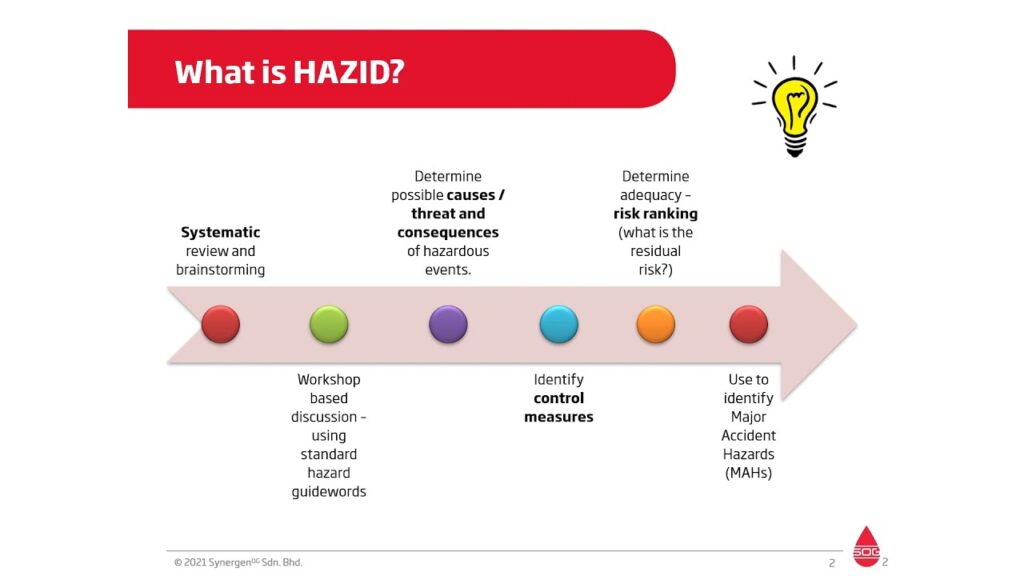
The objective is straightforward: before detailed design is committed, surface the hazards that could affect safety, the environment, or operations, so that the project team can make informed decisions about how to address them. Identified hazards are documented along with their potential causes, consequences, and recommended mitigation measures.
Typical hazards identified in a HAZID study include:
- Fire and explosion risks from flammable inventories or ignition sources
- Chemical releases and toxic exposure scenarios
- Equipment failure modes with potential for escalation
- Structural hazards related to facility layout or loading conditions
- Operational safety risks arising from human factors, access constraints, or interface issues
What HAZID is not is a detailed quantitative risk assessment. It is a structured, qualitative identification process. Its value lies in breadth covering the full range of potential hazard categories systematically and in timing, which is why conducting it early is so important.
Who is a HAZID Consultant?

A HAZID Consultant is a specialist in process safety and risk assessment who facilitates hazard identification workshops and guides project teams through the structured methodology. The role requires both technical expertise in process safety, engineering risk assessment, and relevant industry standards and facilitation skill, because a HAZID workshop is only as valuable as the quality of the discussion it generates.
In complex industrial projects, the consultant works with multidisciplinary teams: process engineers, mechanical engineers, project managers, safety officers, operations specialists, and sometimes regulatory representatives. The consultant’s job is not to identify all the hazards personally. It is to create the conditions in which the combined knowledge of the room can surface hazards systematically, and to ensure that every area of concern is properly explored and documented.
I have facilitated HAZID studies across a wide range of project types and industries offshore platforms, onshore gas processing facilities, chemical plants, FMCG manufacturing, and power generation. The specifics differ significantly between sectors, but the underlying discipline is the same: structured, methodical, comprehensive.
Why HAZID is Important in Early-Stage Design
The timing of a HAZID study is one of the most consequential decisions a project team makes. The earlier in the project lifecycle the study is conducted, the greater the opportunity to influence the design, and the lower the cost of implementing whatever changes the hazard identification recommends.

Once a project has moved through detailed engineering and into construction, the window for cost-effective change narrows dramatically. Design modifications that would have taken hours to implement in a drawing become weeks-long change orders in the field. Hazards that could have been designed out early must instead be managed through operational controls and procedures which are less reliable than engineering safeguards and more dependent on consistent human behaviour.
I saw this dynamic clearly during a HAZID my colleague Johan Kamaruzzaman led for a project in Spain. Working with an international project team at the front-end engineering stage, the HAZID surfaced layout-related hazards that had not been visible in the individual discipline reviews. Because the study was conducted early, the project team was able to revise equipment positioning and modify escape route configurations before fabrication had started. The cost of those changes at that stage was minimal. Had the same issues been found during commissioning, the remediation would have been a significant programme of work.
This is precisely why many engineering guidelines and an increasing number of client and regulatory requirements specify that HAZID should be conducted during the conceptual design or Front End Engineering Design (FEED) phase. It is not just good practice. It is the point at which the value of hazard identification is highest.
Key Responsibilities of a HAZID Consultant
1. Planning the HAZID Study
Before the workshop begins, the consultant defines the scope of the study, assembles the relevant project documentation, and prepares the structured methodology that will be used to guide the hazard identification process. Good preparation is essential a poorly scoped HAZID study leaves gaps that may only become apparent when a hazard that should have been captured surfaces later in the project or, worse, during operations.
2. Facilitating HAZID Workshops
During the HAZID workshop, the consultant leads the multidisciplinary team through a systematic examination of the project using structured prompts and guidewords. The facilitator’s role is to keep the discussion productive, ensure that all relevant hazard categories are considered, draw out the knowledge of subject matter experts in the room, and prevent the session from becoming either superficial or unfocused.
Effective facilitation is a skill in its own right. A good HAZID facilitator knows when to probe deeper on a particular hazard, when to move on, and how to manage the dynamics of a room that may include people with different levels of experience, different technical backgrounds, and sometimes different organisational interests.
3. Risk Identification and Documentation
Every identified hazard is recorded systematically: the hazard itself, its potential causes, its potential consequences, existing safeguards, and recommended actions. The documentation produced during a HAZID study becomes a reference throughout the rest of the project, tracking which hazards have been addressed and how.
4. Recommending Risk Mitigation Measures
Where hazards are identified that require design changes or additional safeguards, the consultant works with the engineering team to develop appropriate mitigation recommendations. These may range from equipment modifications and layout changes to additional protective systems or operational procedures.
5. Producing the HAZID Report
At the conclusion of the study, the consultant produces a comprehensive report documenting all identified hazards, their assessments, and the recommended risk reduction measures. This report becomes a formal project deliverable and a key input to subsequent risk and safety studies, including more detailed HAZOP analysis as the design matures.
Industries That Require HAZID Studies
HAZID studies are conducted wherever equipment or process failures could carry serious safety, environmental, or operational consequences. In my work, I most frequently deliver HAZID studies for:
- Oil and gas exploration, production, and processing facilities
- Petrochemical and chemical processing plants
- Power generation facilities, including both conventional and renewable energy projects
- Offshore platforms and marine infrastructure, including FPSOs and pipeline systems
- Industrial manufacturing plants in sectors such as FMCG and oleochemicals
In Malaysia, the Department of Occupational Safety and Health (DOSH) and PETRONAS Technical Standards both require structured hazard identification for high-hazard facilities and projects. For PETRONAS-aligned work, HAZID is typically a mandatory deliverable at the FEED stage. For non-PETRONAS facilities, DOSH regulations set the safety management requirements within which HAZID provides a recognised and effective tool.
Benefits of Engaging a HAZID Consultant
Improved Project Safety
Potential hazards are identified and addressed before they are built into the facility. Safety is a design outcome, not an afterthought.
Better Design Decisions
Engineering teams make layout, equipment, and operational decisions with a fuller understanding of the safety implications. Projects that go through rigorous early-stage HAZID consistently produce safer, more operationally robust designs.
Regulatory Compliance
A structured, documented HAZID study provides evidence of systematic hazard management that satisfies the requirements of DOSH, PETRONAS, and other relevant regulatory bodies.
Reduced Long-Term Costs
Every hazard addressed at the FEED stage avoids a potentially far larger cost later in design rework, construction modification, operational workarounds, or incident response. The economics of early hazard identification are consistently compelling.
Conclusion
The early stages of a project are where the greatest leverage exists to build safety into a facility at the lowest cost. A qualified HAZID Consultant ensures that this leverage is used that the hazards which could affect the safety of the facility, its people, and the surrounding environment are identified systematically, documented thoroughly, and addressed before they become embedded in the design.
In my experience, the clients who invest in thorough early-stage HAZID consistently find that the process pays for itself many times over not just in avoided incidents, but in the confidence that comes from knowing the design has been properly stress-tested against the real hazards it faces.
Safety is always easier to design in than to retrofit. HAZID, conducted at the right time and facilitated with rigour, is one of the most effective tools available for doing exactly that.
References:
1. IEC (International Electrotechnical Commission), IEC 61882:2016 — Hazard and Operability Studies (HAZOP Studies): Application Guide, 2nd Edition, Mac-2016. Access: https://webstore.iec.ch/en/publication/24321
2. DOSH Malaysia, Guidelines for Hazard Identification, Risk Assessment and Risk Control (HIRARC) 2008, 2008. Access: https://intranet.dosh.gov.my/index.php/ms/competent-person-form/occupational-health/regulation-2-1/guidelines/hirarc-2/1846-01-guidelines-for-hazard-identification-risk-assessment-and-risk-control-hirarc-2008/file
3. PETRONAS Technical Standards, PTS 18.21.01 — Process Hazard Analysis (PHA), Disember-2018. Access: https://www.scribd.com/document/541212325/PTS-PHA-18-21-01-1
4. IChemE (Institution of Chemical Engineers), Hazard Identification and Risk Assessment for Smaller Organisations — Hazards 31 Conference Paper, 2021. Access: https://www.icheme.org/media/27734/hazards-31-paper-38-olsen.pdf
5. ScienceDirect — Process Safety and Environmental Protection, Process Hazard Analysis, Hazard Identification and Scenario Definition: Are the Conventional Tools Sufficient, or Should and Can We Do Much Better?, 2017. Access: https://www.sciencedirect.com/science/article/abs/pii/S0957582017300307
This article has been reviewed and validated by:
He is a TUV Certified Functional Safety Engineer who graduated from the University of Southampton and serves as Operation Director at Pure Integrity.