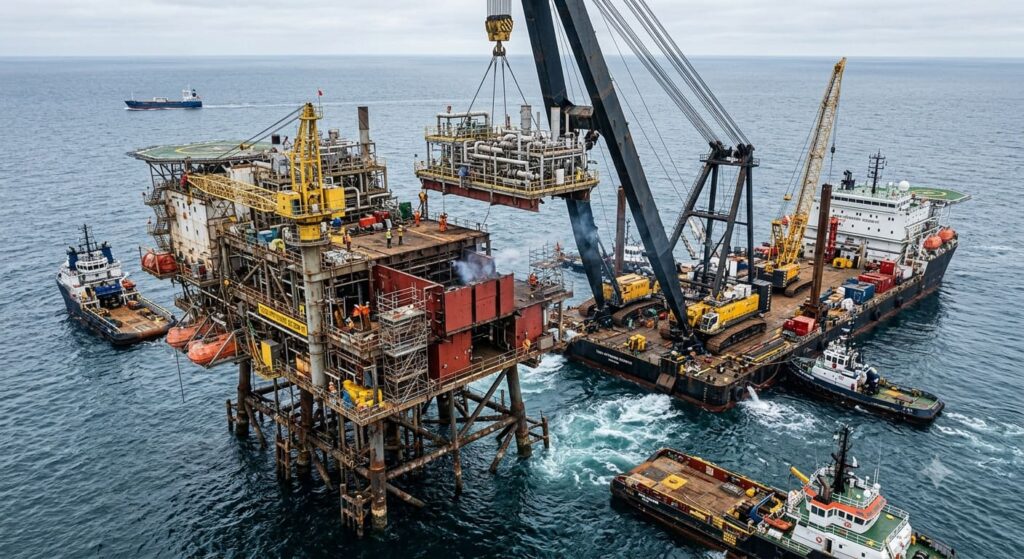
A facility can be built exactly to specification, pass every construction inspection, and still fail on its first day of operation. This is the gap that Operation Readiness closes. It is the structured transition between “the plant is built” and “the plant can run safely, reliably, and at design capacity.”
Commissioning teams inherit a facility from engineering and construction contractors, and operations teams inherit it from commissioning. Without a formal Operation Readiness (OR) programme, critical information, training, and documentation get lost at each handover point, and the people ultimately responsible for running the plant are left to fill in the gaps under production pressure.
What Is Operation Readiness?
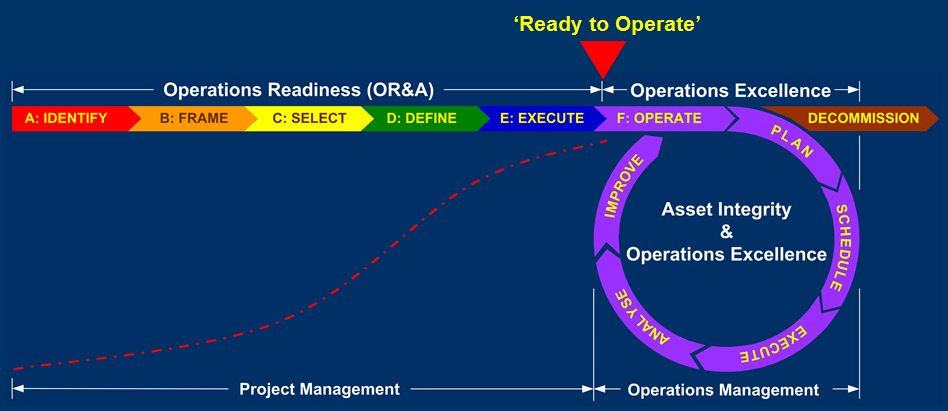
Operation Readiness is a systematic process that verifies a facility, its systems, and its people are genuinely prepared to move from mechanical completion into safe, sustained operation, resting on the same underlying discipline as asset integrity management. It sits alongside commissioning but is distinct from it. Commissioning proves that equipment functions as designed, while Operation Readiness proves that the organisation is equipped to run that equipment day to day.
That means procedures are written and validated against the as-built plant, operators are trained and certified on the actual systems they will run, emergency response plans have been rehearsed against real facility hazards, and critical spares are already on site rather than on order. Without this layer, facilities frequently experience what the industry calls “startup surprises.” These are trips, near-misses, or extended ramp-up periods caused not by faulty equipment, but by unprepared teams walking into a facility they don’t yet fully understand.
The Core Components of an OR Programme

A robust Operation Readiness framework typically covers five interlocking areas, delivered through hands-on field engineering support rather than a desk-based review. The Pre-Startup Safety Review (PSSR) is a final, independent check that construction matches design intent and that all safety systems are verified before hazardous materials are introduced. Operating procedures and SOPs must be validated against the as-built plant rather than the original design, since field changes during construction routinely diverge from what was originally engineered.
Training and competency assurance ensures operators are certified on the actual systems they will run, not generic equivalents from a training simulator that may not reflect site-specific configurations. Spare parts and maintenance readiness means critical spares are identified and stocked before startup, not sourced reactively after the first failure disrupts production. Finally, emergency response integration means response plans are tested against the specific hazards of the completed facility, not a generic template borrowed from a similar but different site.
Where Projects Commonly Fail

The most common failure point is timing. Operation Readiness activities are frequently treated as a late-stage checklist rather than a parallel workstream that begins during FEED and detailed design. By the time construction nears completion, there is often no time left to properly validate procedures or complete training, and the pressure to hit a startup date quietly overrides the pressure to be genuinely ready.
The second common failure is ownership. OR sits between engineering, commissioning, and operations, and when no single team owns the full scope, gaps fall through the cracks. This is particularly visible around documentation handover and as-built verification, where each function assumes another has already closed the loop.
A third, less obvious failure is treating readiness as binary rather than progressive. Facilities that wait for a single go/no-go decision near startup miss the opportunity to close gaps incrementally as construction progresses, which compresses all remaining risk into the final weeks before commissioning.
Field-Tested, Not Theoretical
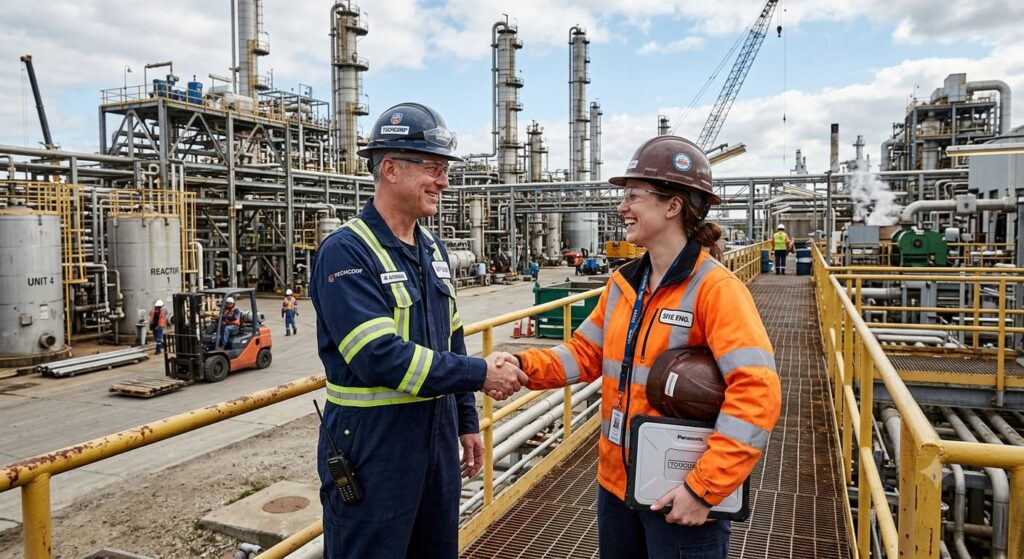
Operation Readiness is ultimately about protecting people, not just protecting schedules. An unready facility puts operators into unfamiliar situations under production pressure, which are precisely the conditions under which incidents occur, not unlike the underlying causes uncovered through a thorough root cause analysis after an incident. Pure Integrity’s field engineering team has supported readiness reviews and bridging assessments across onshore and offshore assets in Malaysia, working directly with commissioning and operations teams to close gaps before handover rather than after an incident forces the issue. That experience consistently shows the same pattern: facilities that treat readiness as a continuous process, not a final checklist, start up with far fewer surprises.
Bridging the Gap with Pure Integrity
Pure Integrity supports asset owners through independent Operation Readiness assessments, PSSR facilitation, and readiness gap analysis that bridges the divide between construction, commissioning, and live operations. Our team works alongside your project and operations personnel to verify that procedures, training, and safety systems are genuinely ready before first hydrocarbon or first load, giving you an independent check rather than relying solely on internal sign-off.
If your project is approaching commissioning and you need an independent view on operational readiness, contact us at pureintegrity.co to discuss your project timeline.
References
- Center for Chemical Process Safety (CCPS), Guidelines for Startup, Shutdown, and Layup of Process Plants, AIChE.
- IChemE, Process Safety Implications of Commissioning and Startup, IChemE Safety Centre.
- AIChE / CCPS, Guidelines for Performing Effective Pre-Startup Safety Reviews.
Published by Pure Integrity Sdn. Bhd. — Process Safety and Functional Safety Consultants, Malaysia.