When major accidents in the process industry are investigated, the findings rarely point to a single technical failure. More often, they reveal a sequence of human decisions, made under pressure, without adequate information, within systems that were not designed with people in mind.
Human Factor Consulting is the discipline that addresses this reality. It brings together the science of human performance, cognitive psychology, ergonomics and systems thinking to identify and manage the conditions under which human error becomes likely to design processes, procedures and environments that reduce that likelihood before an incident occurs.

Why Human Factors Matter in Process Safety

It is estimated that human error contributes to between 70% to 80% of all process industry incidents.
This is not because people are careless or incompetent, it is because humans consistently behave in predictable ways when placed in complex, high-pressure environments. They take shortcuts when procedures are too long.
“They miss alarms when there are too many. They misread situations under time pressure. They make errors when fatigued.”
Human Factor Consulting does not attempt to eliminate human error, that is neither possible nor the goal.
Instead, it works to understand where and why errors are likely to occur, and to put in place defences that either prevent those errors or limit their consequences.
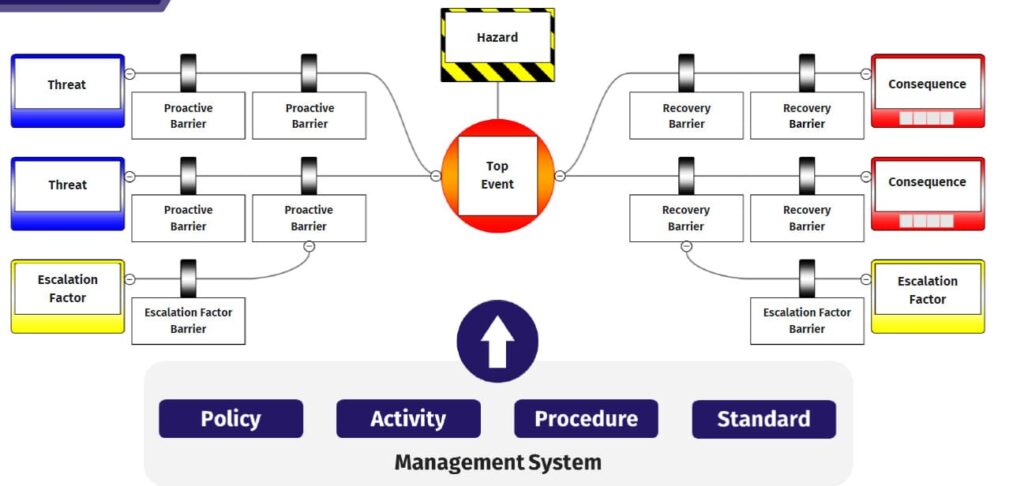
This is the same layered thinking that underpins ALARP Assessment and BowTie Analysis; and human factors are an essential component of making those defences real.
What Human Factor Consulting Covers
Human Factor Consulting in a process safety context spans a wide range of activities, each addressing a specific aspect of human performance in high-hazard environments.
1. Human Reliability Analysis (HRA)
Is the systematic assessment of the likelihood that a human will perform a specific task correctly under given conditions.
It is used to quantify human error probabilities for inclusion in QRA (Quantitative Risk Assessment) studies and LOPA, ensuring that human actions, whether preventive or mitigative, are credited appropriately within the safety case.
2. Safety Critical Task Analysis (SCTA)
Identifies the tasks that, if performed incorrectly, could lead to or fail to prevent a major accident.
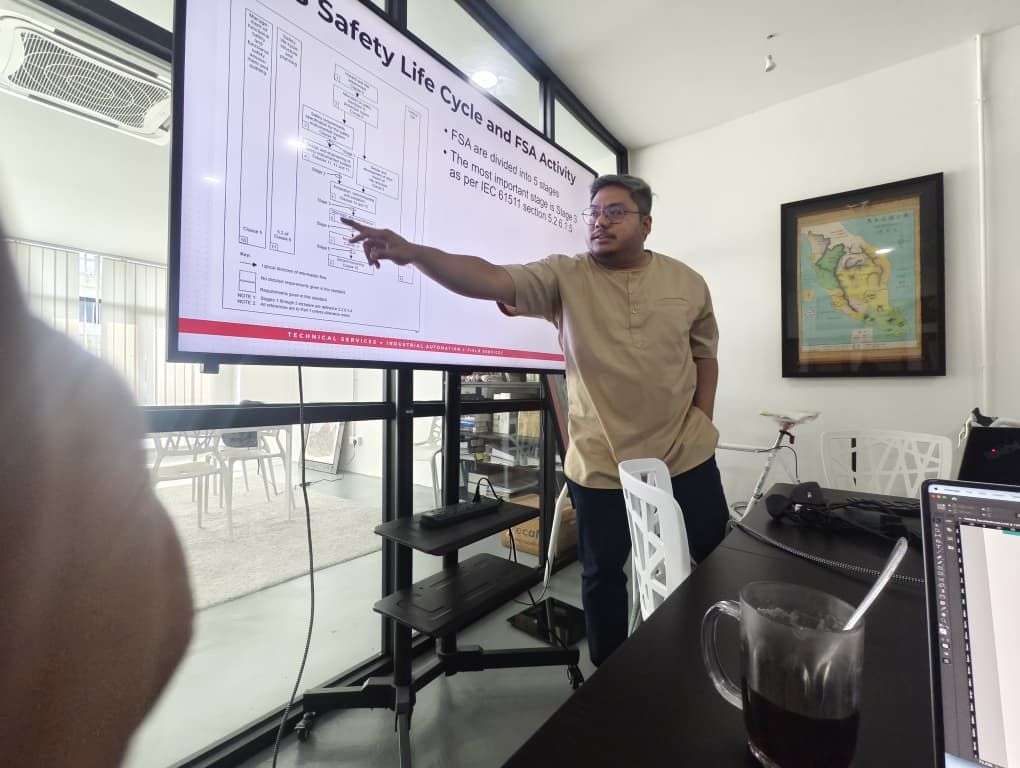
For each safety-critical task, SCTA examines the conditions under which the task is performed, the demands placed on the operator and the potential for error, providing the basis for procedure design, training requirements and control room human-machine interface improvements.
3. Procedure Quality Review
Examines whether operating and emergency procedures are written in a way that operators can actually use under normal conditions and under the stress of an abnormal event
Poor procedure design is a recurring contributor to major accidents; procedures that are inaccessible, ambiguous, or incomplete at the moment they are needed most become a liability rather than a safeguard.
4. Human Factors in Control Room Design
Addresses the physical and cognitive environment in which operators work, including alarm system design, display layout, workload distribution and shift handover.
These are the conditions that determine whether an operator can detect, diagnose, and respond to an abnormal situation before it escalates. Effective alarm management is inseparable from human factors.
Integrating Human Factors into the PSM Framework
Human factors does not sit outside Process Safety Management (PSM), it runs through it. Every PSM element that involves a person either performing or verifying a safety-critical action is a human factors issue: Management of Change, Pre-Startup Safety Review, Operating Procedures, Training, Emergency Planning.
The effectiveness of each depends not just on whether the right process exists, but on whether it has been designed so that people can actually follow it under the conditions they face.
For Safety Instrumented Systems (SIS), IEC 61511 explicitly requires that human factors be considered as part of the SIS lifecycle, from the design of operator interfaces through to the management of bypass and override situations.
Organisations that address human factors only at the level of training miss the deeper systemic issues that consulting can surface and resolve.
The Human Element in Human Factor Consulting
The value of Human Factor Consulting is inseparable from the experience of the people who deliver it. Understanding how operators actually behave, not how procedures say they should behave , requires direct engagement with the operational environment.
How Pure Integrity Can Help
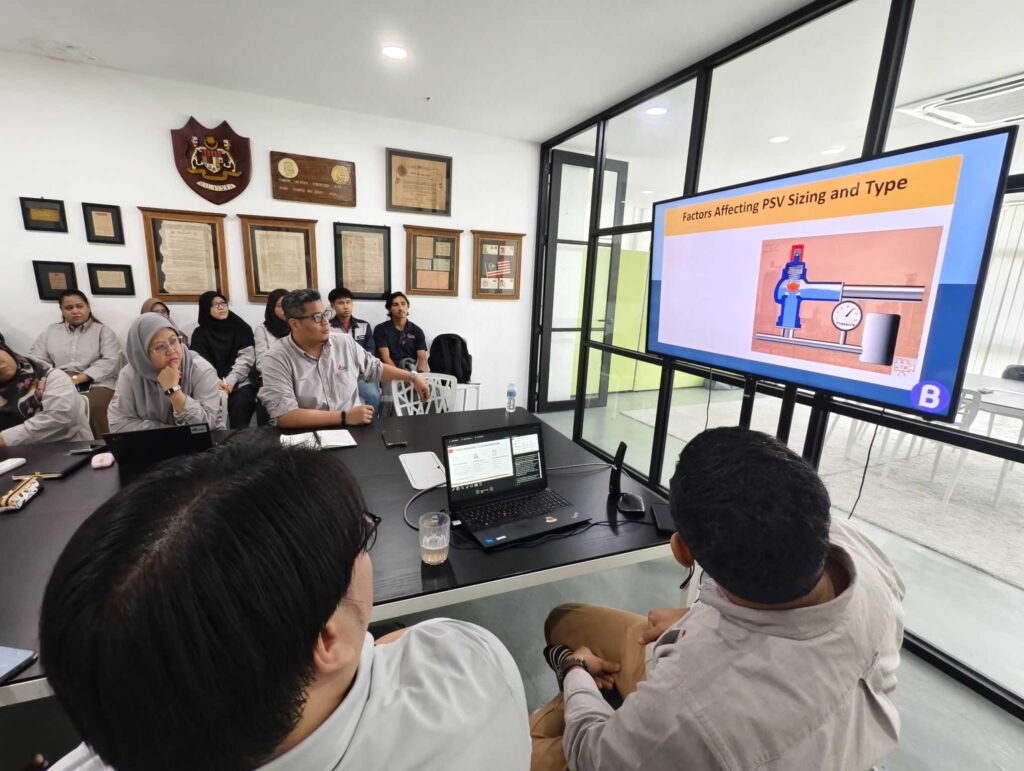
At Pure Integrity Sdn. Bhd., human factors are integrated across our process safety services – from HAZID workshops and HAZOP studies that account for human error scenarios, to alarm rationalisation and functional safety assessments that evaluate operator interfaces and task demands.
We work with clients across oil and gas, petrochemical, and power generation sectors in Malaysia and Southeast Asia to embed human performance principles into their safety management systems, and to ensure that the people at the sharp end of operations are supported, not set up to fail.
To discuss your human factors requirements, contact us at https://pureintegrity.co/contact-us/
References :
1. IChemE, Human Factors in the Chemical and Process Industries – Training Brochure, IChemE, 2023. Akses: https://www.icheme.org/media/19476/human-factors-brochure-2023-new-title.pdf
2. Theophilus, S.C., Integrating Human Factors (HF) into a Process Safety Management System (PSMS), Process Safety Progress (Wiley/AIChE), 30-Jul-2017. Akses: https://aiche.onlinelibrary.wiley.com/doi/abs/10.1002/prs.11909
3. Energy Institute & CCPS (Greenstreet Berman Ltd), Human Factors for Process Safety: A Handbook, Centre for Chemical Process Safety & Energy Institute, 2021. Akses: https://www.aiche.org/conferences/videos/conference-presentations/human-factors-process-safety-handbook-centre-chemical-process-safety-and-energy-institute
—
Published by Pure Integrity Sdn. Bhd. – Leading Safety & Integrity Engineering Consultant In Malaysia
Image source: