Inspect what matters, when it matters. We build risk-prioritised inspection plans to API 580/581 that cut inspection cost and shutdown time — without cutting safety or compliance.
Your team workssafer and more efficiently with manuals they can actually understand.
Identify
Analyze
Evaluate
Recommend
Verify
What is Risk Based Inspection (RBI)?
RBI is a method for prioritising the inspection of static equipment pressure vessels, piping,
storage tanks, heat exchangers by the risk of failure rather than a fixed calendar. Risk is the
product of the probability of failure (driven by damage mechanisms such as corrosion, cracking, fatigue and corrosion under insulation) & the consequence of failure. High-risk items get more
attention, low-risk items get less. Done properly to API RP 580/581, RBI focuses inspection effort exactly where it reduces risk.
Calendar-based inspection wastes money on the wrong equipment
Fixed-interval inspection treats a low-risk drain line the same as a high-risk reactor. The result is the worst of both worlds: shutdown hours burned on equipment that didn’t need it, while real degradation on critical items goes unseen between intervals. Both cost you one in wasted spend and downtime, the other in unplanned failure. RBI fixes both. By ranking equipment on probability and consequence of failure, it strips out low-value inspections, extends intervals where the data supports it & concentrates effort and budget on the items that can actually hurt you. On an ageing asset base — much of Malaysia’s process plant is now decades old that’s often the difference between a planned, efficient turnaround and an unplanned, expensive loss of containment. It also keeps your integrity programme defensible to DOSH, and supports asset life extension decisions with evidence rather than guesswork.
Our RBI & asset integrity services
RBI assessment (API 580/581)
Probability and consequence analysis to risk-rank your static equipment by damage mechanism.
Inspection plan development
What to inspect, which NDT/NDE method, and at what interval — driven by risk and remaining life.
RBI management & re-assessment
Keeping the programme live as corrosion rates, conditions and inspection data evolve.
Equipment criticality & SCE assessment
Feeding integrity priorities into your wider reliability and PSM framework (ISO 14224, ECA, FMEA).
Methods and intervals matched to risk and remaining life.
Support Implementation
Turning the plan into a turnaround scope.
Re-assess
Periodic updates and audit.
FAQ
Will RBI keep me compliant with DOSH inspection requirements?
RBI complements statutory requirements rather than replacing them. We build plans that meet DOSH expectations while optimising effort, and document the basis so it holds up to scrutiny.
What standard do you follow?
API RP 580 (the methodology) and API RP 581 (the quantitative approach), tailored to your equipment and data quality.
We have limited inspection history can we still do RBI?
Yes. We work with the data you have, flag where it's thin, take a conservative approach where needed, and help you capture the right data going forward.
How much can RBI save?
It varies by asset, but savings typically come from eliminating low-value inspections and avoiding unplanned downtime, while concentrating spend where degradation is real.
Is RBI a one-off or ongoing?
Best practice is ongoing — risk changes as equipment ages, conditions shift and data accumulates, so the plan should be re-assessed periodically.
Who We Work With
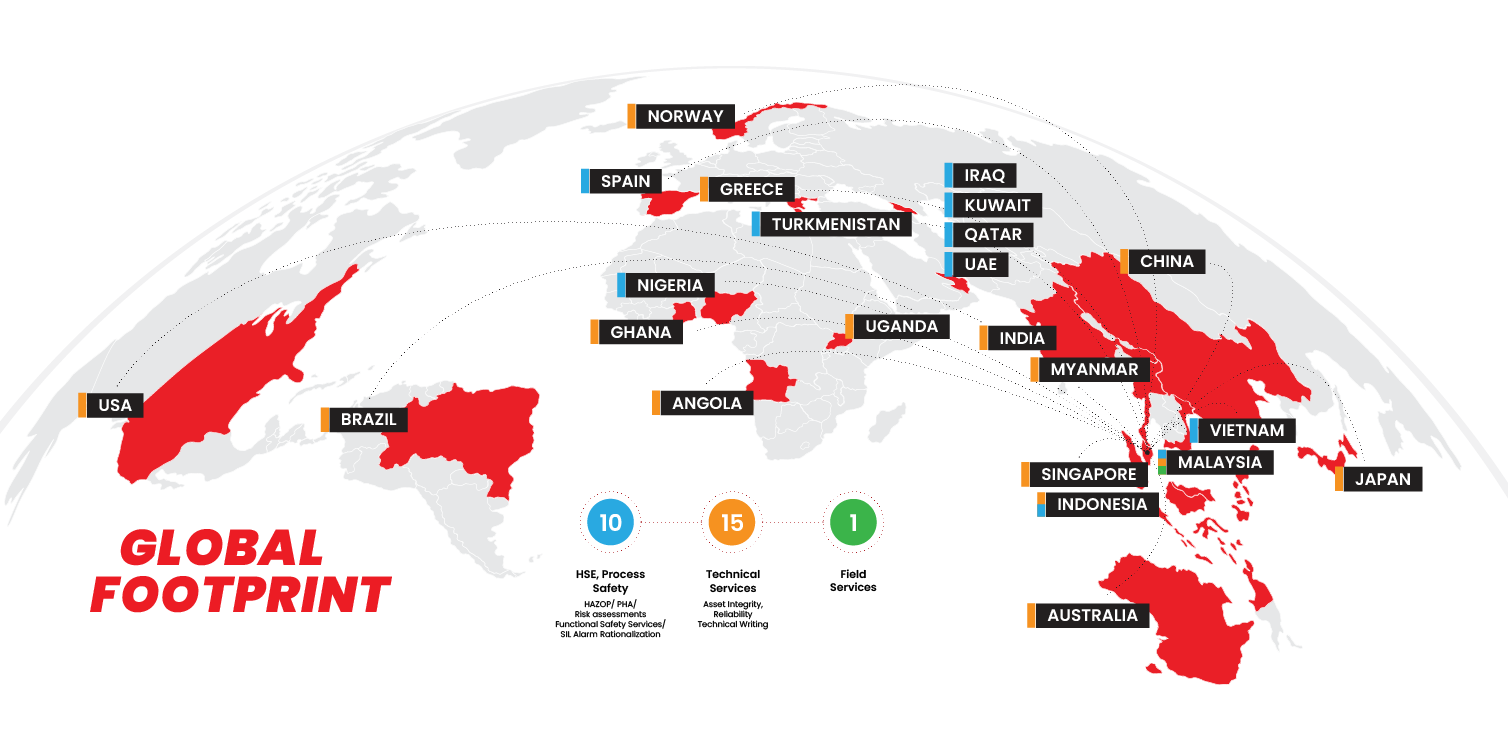
We have worked closely with many local and multi-national companies in Malaysia as well as overseas to fulfil their specific needs. Through recognised certification training, we help individuals and teams build the competency their roles and industries demand.
Spending inspection budget on the wrong equipment?
Request an RBI proposal & put effort, money & shutdown time where the risk actually is.