


Failure Mode & Effects Analysis Services

Identify potential failures before they
affect safety, reliability, or operations.

10-Year Active Term Contract with Shell (Sabah/Sarawak) | CIDB G4.

lloyds register logo
petronas logo
tuv rheinland logo
shell logo
tenaga malaysia berhad logo

The PISB Approach

Your team works safer and more efficiently with manuals they can actually understand.

Identify

Analyze

Evaluate

Recommend
Verify

Understanding How Assets Can Fail

Failure Mode and Effects Analysis is a structured method used to identify potential failure modes, their causes, and their effects on equipment, systems, and operations.

FMEA helps organisations understand where failures may occur, how serious the impact could be, and what actions should be prioritised to reduce risk and improve reliability. The uploaded material explains that FMEA focuses on failure identification and risk prioritisation.

asset life study optimization
asset integrity

The Process

How We Identify, Assess & Prioritise
Failure Risks

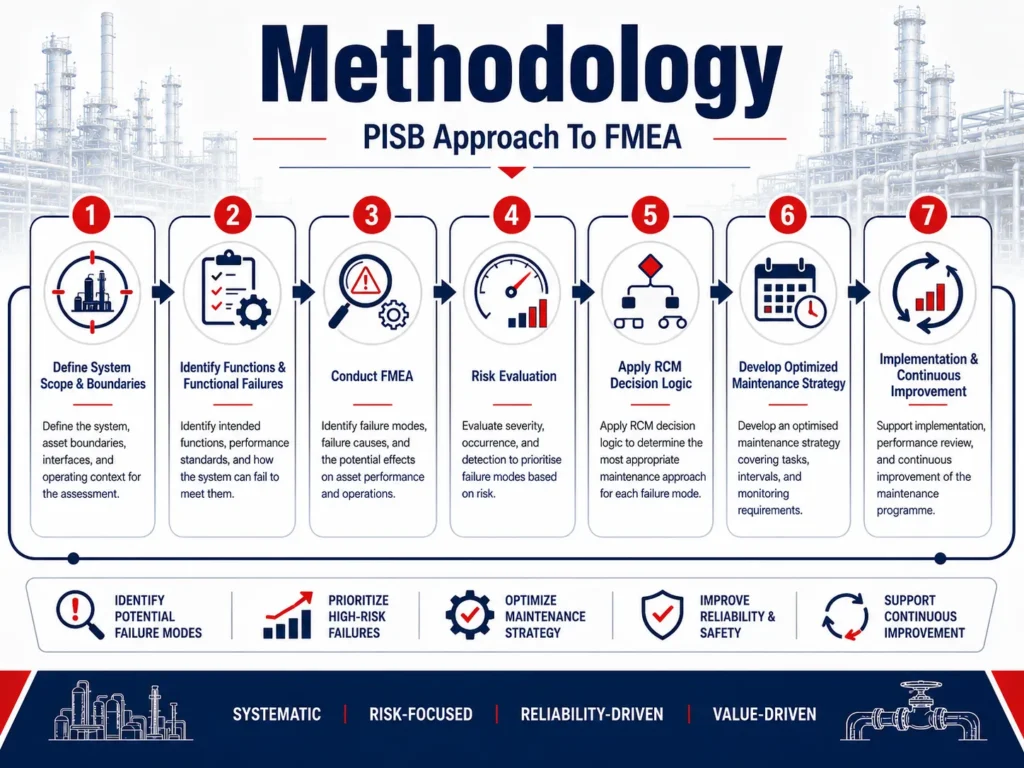
Pure Integrity begins by defining the system scope, equipment boundaries, and asset functions to understand what each asset is expected to perform under normal operating conditions.

We then identify potential failure modes, possible causes, and the effects of each failure on safety, reliability, operations, maintenance, and cost. Each failure is assessed based on its severity, likelihood of occurrence, and ability to be detected before it causes impact.

From this analysis, we prioritise the most critical failure risks and develop practical recommendations to reduce risk, improve maintenance planning, and strengthen long-term asset reliability.

Problem We Solve

Unclear Failure Risks

We help identify how equipment or systems may fail and what impact those failures may cause.

Reactive Maintenance

We support teams in identifying potential failures before they lead to breakdowns or downtime.

Lack Of Structured Failure Analysis

We provide a clear method to analyse failure modes, causes, effects, and risk priority.

Poor Maintenance Prioritisation

We help prioritise actions based on failure impact, likelihood, and detectability.

High Downtime And Reliability Issues

We support reliability improvement by identifying critical failure risks early.

Benefits

FMEA helps organisations identify critical failure risks early and prioritise actions before failures occur.

Identifies critical failure modes before occurrence

Supports structured failure analysis

Improves equipment reliability and availability

Supports data-driven maintenance strategies

Helps reduce downtime and operational risk

Strengthens preventive & corrective action planning

Why Us?

Pure Integrity provides practical, engineering-led FMEA studies that help clients understand failure risks and develop clear actions to improve reliability.

Structured Failure Analysis

A clear approach to identify failure modes, causes, effects, and risk priority.

We work with client teams to capture real operating, maintenance, and engineering experience.

Our FMEA studies support better reliability planning and maintenance strategy development.

We focus on practical outputs that can be implemented by operations and maintenance teams.

Our approach connects failure analysis with wider asset integrity and risk management needs.

process safety engineering pure integrity
asset integrity
fmea methodology

Deliverables​

FMEA study report

Defined system scope and boundaries

Function and functional failure review

Failure modes, causes & effects register

Risk ranking or priority assessment

Recommended corrective and preventive actions

Reliability improvement action plan

FAQ

  • What is Failure Mode and Effects Analysis?

    Failure Mode and Effects Analysis is a structured method used to identify potential failure modes, their causes, effects, and associated risks.

  • Why is FMEA important?

    FMEA helps organisations identify critical failure risks before they occur, allowing teams to prioritise preventive actions and improve reliability.

  • When should FMEA be conducted?

    FMEA can be conducted during design, commissioning, operation, equipment modification, or when recurring reliability issues need to be addressed.

  • What data is required for an FMEA study?

    Typical data includes equipment specifications, process conditions, operating history, maintenance records, failure history, and existing maintenance strategies.

  • Who should participate in an FMEA workshop?

    FMEA workshops usually involve operations, maintenance, engineering, reliability, inspection, and asset integrity teams.

  • What is the output of an FMEA study?

    The output typically includes failure modes, causes, effects, risk rankings, recommended actions, and reliability improvement plans.

Who We Work With

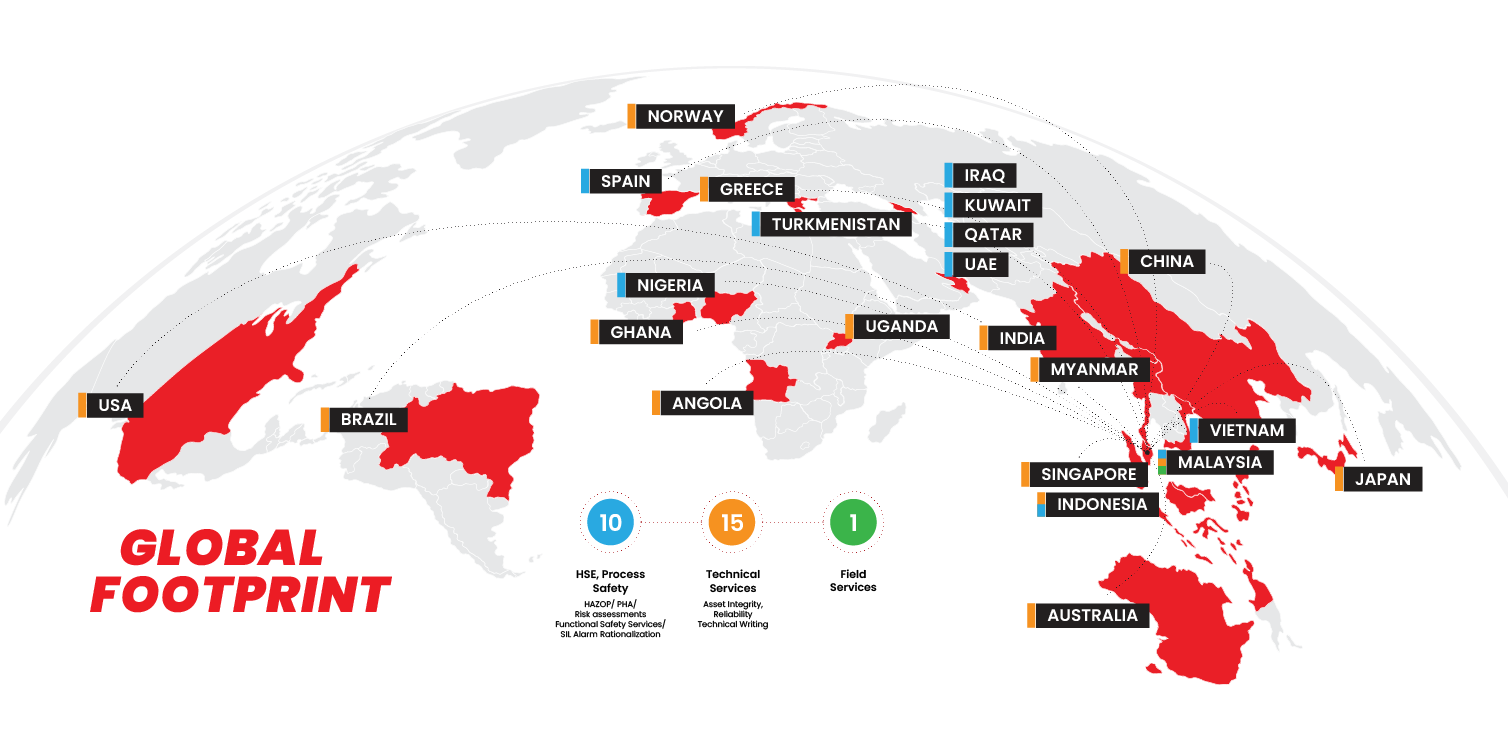
We have worked closely with many local and multi-national companies in Malaysia as well as overseas to fulfill their specific needs. Through close collaboration we have helped clients deliver safer, more reliable, and cost effective operations.

Need To Identify Failure Risks Early?

Work with Pure Integrity to analyse potential failure modes, prioritise risks & strengthen asset reliability.

TUV Rheinland Partner | CIDB G4 Registered | HRD Corp Accredited

Contact us

(06) 603 0631 | (06) 630 7807

suzlinda@pureintegrity.my

Pure Integrity Sdn. Bhd. (1105358-T)
No. 139, Jalan S2 B6,
Seremban 2, 70300 Seremban,
Negeri Sembilan, Malaysia

Contact us

(06) 603 0631 | (06) 630 7807

suzlinda@pureintegrity.my

Pure Integrity Sdn. Bhd. (1105358-T)
No. 139, Jalan S2 B6,
Seremban 2, 70300 Seremban,
Negeri Sembilan, Malaysia

Pure Integrity Sdn Bhd. Copyright © 2026. All rights reserved.
Scroll to Top