


Safety Requirements Specification Services

Translate hazards and risk into clearly defined, verifiable Safety Instrumented Functions.

10-Year Active Term Contract with Shell (Sabah/Sarawak) | CIDB G4.

lloyds register logo
petronas logo
tuv rheinland logo
shell logo
tenaga malaysia berhad logo

The PISB Approach

Your team works safer and more efficiently with manuals they can actually understand.

Identify

Analyze

Evaluate

Recommend
Verify
Clearly Defined Safety Functions, Backed By Standards

The Safety Requirements Specification (SRS) is the foundation of every reliable Safety Instrumented System. It defines exactly what each Safety Instrumented Function (SIF) must do, and how well it must perform, to deliver the required risk reduction.

Without a clear SRS, safety systems are often designed on assumptions, leading to misalignment between design intent and actual performance. At Pure Integrity, we develop robust, IEC 61511-compliant Safety Requirements Specifications that turn the outcomes of hazard studies and SIL determination into precise, testable engineering requirements.

safety requirement spesification srs pure integrity consultation malaysia (2)
ALARP Assessment

The Process

How Safety Requirements Specification Works?

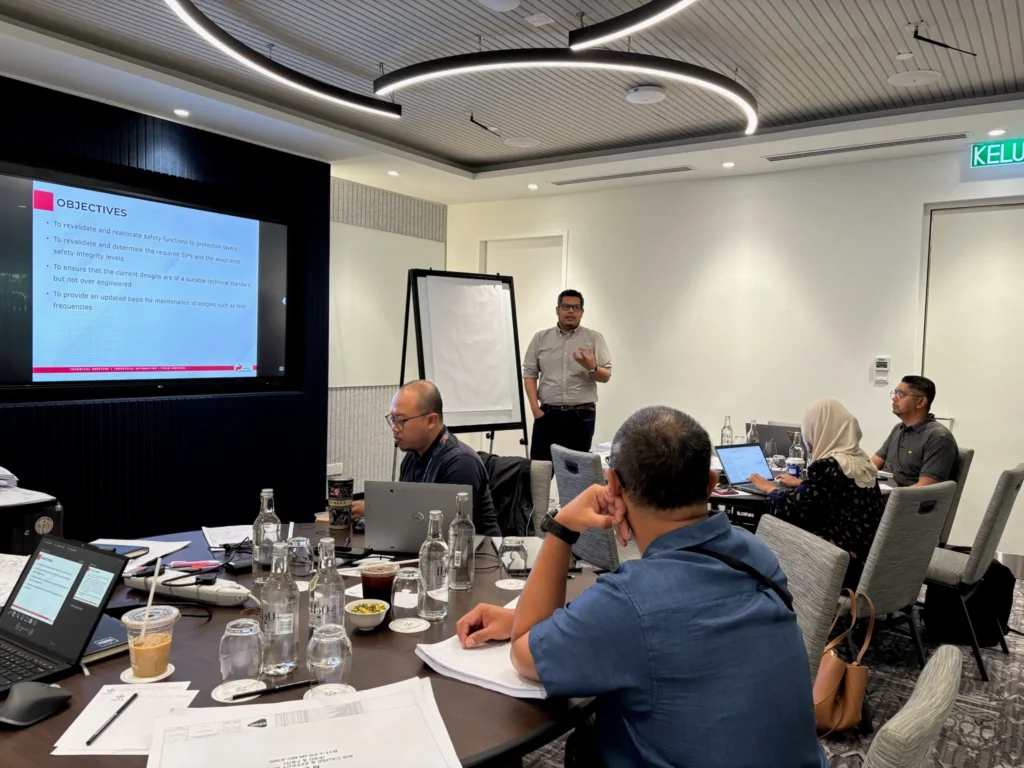
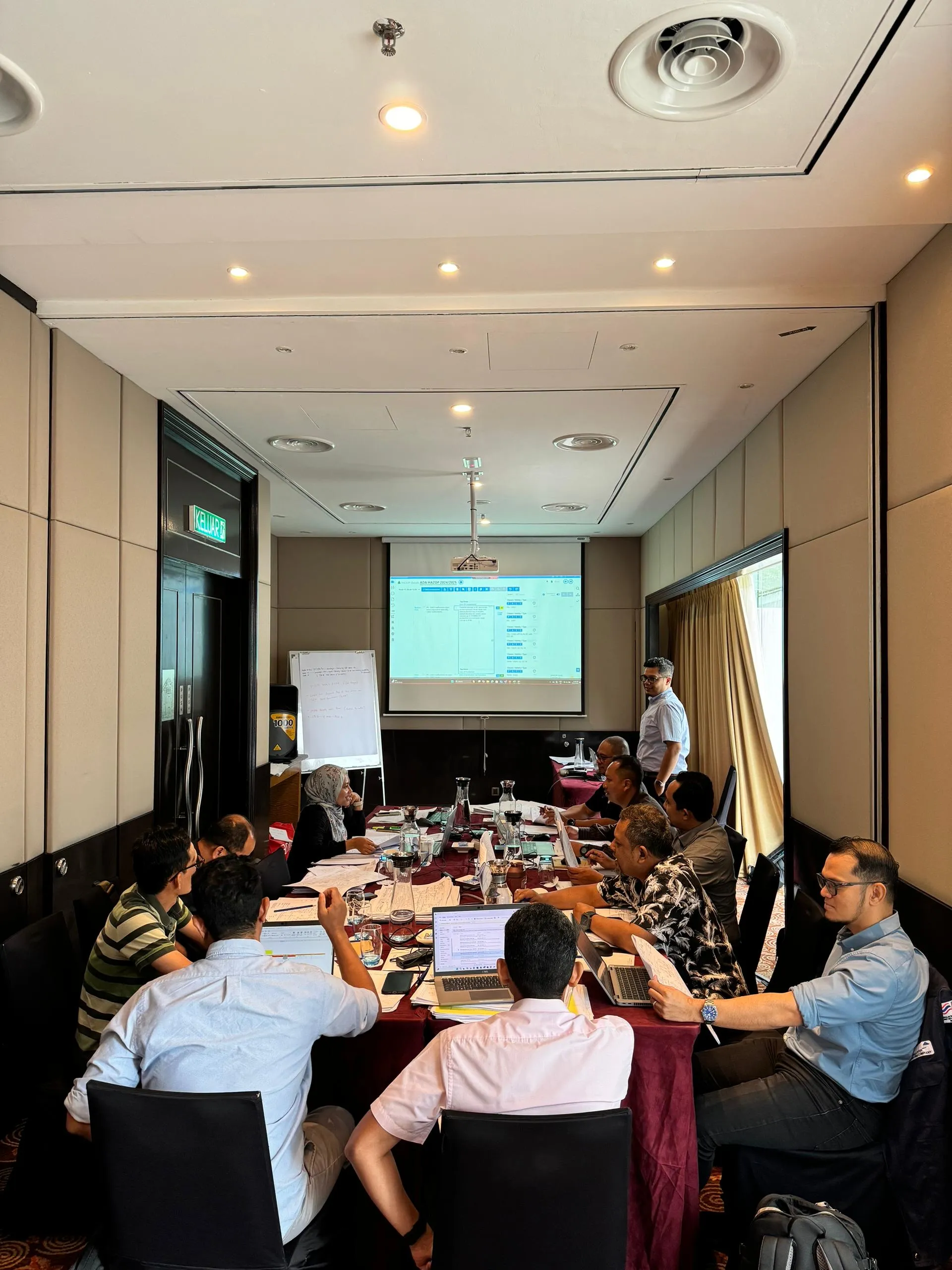
Pure Integrity reviews the outputs of hazard studies and SIL determination, along with process information, cause-and-effect data, and operating philosophy, to understand what each safety function must achieve.

From there, we define each SIF in detail, including its safe state, trip setpoints, process safety time, response time, operating modes, and SIL target, producing a complete, traceable specification that the design, verification, and validation phases can be built upon.

Problem We Solve

Weak Or Missing SRS

We develop a complete, structured SRS where none exists or where current documentation is incomplete.

Misalignment Between Design & Intent

We close the gap between what the hazard study assumed and what the system is actually built to do.

Unclear SIF Definition

We clearly define each safety function, inputs, logic, outputs & safe state, to remove ambiguity.

Unvalidated Study Assumptions

We capture and confirm the assumptions from SIL studies so they carry through to design.

Incomplete Performance Requirements

We specify trip setpoints, process safety time, response time, and proof test requirements with a clear basis.

Gaps Feeding Into Design

We ensure design and vendors receive a clear, complete, and verifiable set of safety requirements.

Benefits

A robust Safety Requirements Specification ensures safety functions are correctly understood, designed & verified, protecting integrity from the very start of the lifecycle.

Provides a clear, single source of truth for every safety function

Aligns design & implementation with hazard study intent

Enables accurate SIL verification later in the lifecycle

Reduces costly rework & design errors

Establishes a defensible basis for proof testing & maintenance

Supports IEC 61511 compliance & audit readiness

Improves communication between owner, designer & vendor

Why Us?

Pure Integrity provides practical, standards-driven SRS development backed by certified Functional Safety expertise.

Seamless Process Safety Integration

A good SRS depends on the hazard studies that feed it. Because we also deliver HAZOP, LOPA, and SIL determination, we carry the intent of those studies directly into the specification — so nothing gets lost in the handover between risk identification and safety requirements.

We don’t just hand over a document and walk away. Because we work across the full IEC 61511 lifecycle, the SRS we write is built to be verified, validated & maintained later, meaning the assumptions & performance criteria we set are ones we can stand behind through design and into operation.

We specify safety functions around your actual operational risk profile, not a generic checklist. Trip setpoints, process safety time, and proof test requirements are defined with a clear, practical basis that reflects how the plant really runs.

Our consultants have defined safety functions across oil & gas, chemicals, and the wider process industries.

That breadth means we recognise the failure patterns and design pitfalls that a single-sector background tends to miss.

functional safety pure integrity consultation
safety requirement spesification srs pure integrity consultation malaysia (2)

Deliverables​

Safety Requirements Specification (SRS) document

Safety Instrumented Function (SIF) register and definitions

SIL target summary for each safety function

SIF performance criteria

Operating mode, bypass & override requirements

Proof test and maintenance requirement basis

Assumptions and design interface register

FAQ

  • Who develops the SRS?

    The SRS is best developed by Functional Safety specialists working with process, operations, and engineering input — ensuring requirements are both technically correct and practical to implement.

  • Why is the SRS important?

    The SRS bridges hazard studies and actual system design. A weak or missing SRS is one of the most common causes of misalignment between design intent and real-world performance.

  • What does an SRS include?

    Following IEC 61511, an SRS typically defines each SIF, its safe state, trip setpoints, process safety time, response time, SIL target, operating modes, bypass requirements, and proof test requirements.

  • When is the SRS developed?

    The SRS is developed after hazard identification and SIL determination, and before detailed design — it is the link between the analysis and realisation phases of the safety lifecycle.

  • What is a Safety Requirements Specification (SRS)?

    The SRS is the document that defines what each Safety Instrumented Function must do and how well it must perform, forming the engineering basis for the safety system.

  • Do we still need an SRS if we already have a HAZOP and SIL study?

    Yes. HAZOP identifies hazards and the SIL study sets the required integrity, but the SRS translates those outcomes into the detailed, verifiable requirements the system must be designed to meet.

Who We Work With

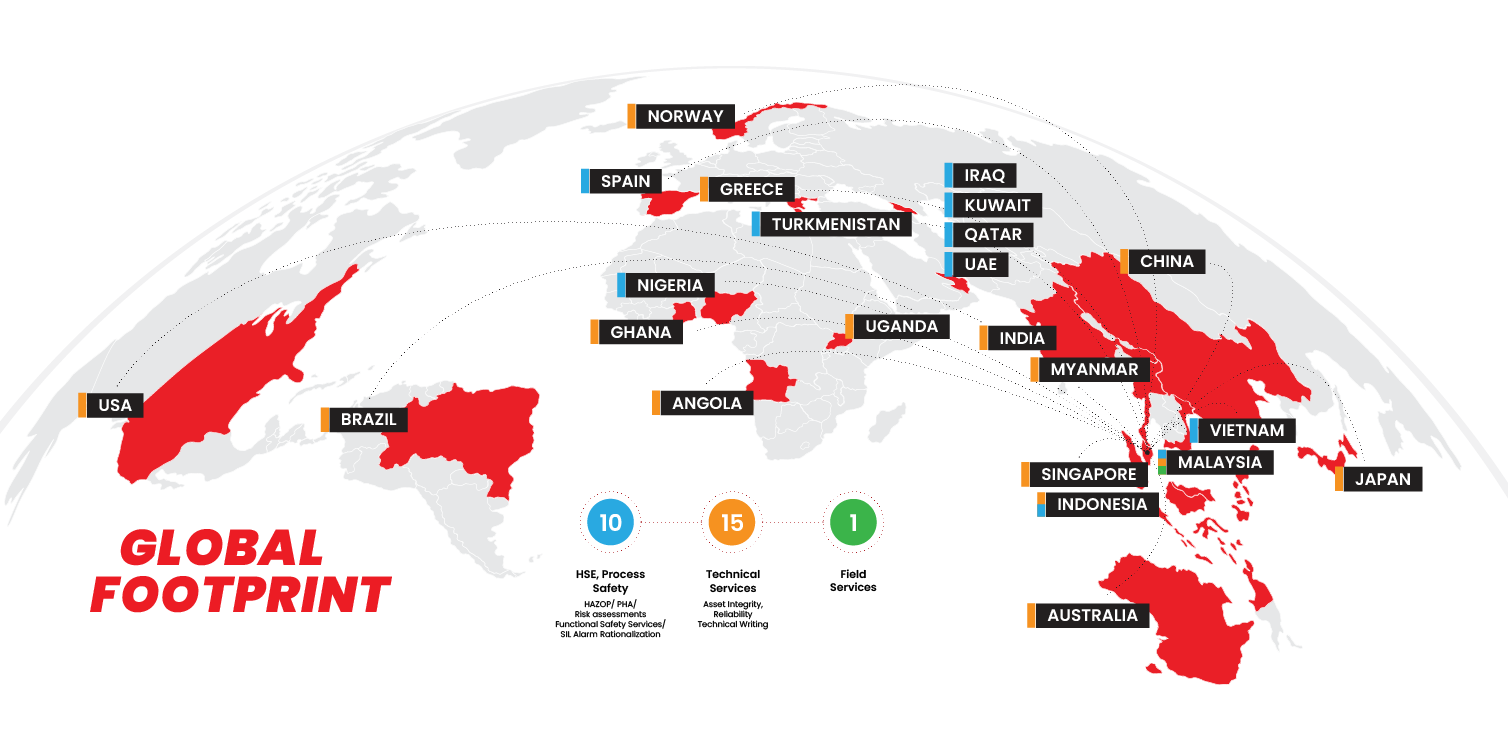
We have worked closely with many local and multi-national companies in Malaysia as well as overseas to fulfill their specific needs. Through close collaboration we have helped clients deliver safer, more reliable, and cost effective operations.

Build Your Safety Systems On A Solid Foundation

Work with Pure Integrity to develop clear, compliant & verifiable Safety Requirements Specifications that protect integrity across the lifecycle.

TUV Rheinland Partner | CIDB G4 Registered | HRD Corp Accredited
Contact us

(06) 603 0631 | (06) 630 7807

suzlinda@pureintegrity.my

Pure Integrity Sdn. Bhd. (1105358-T)
No. 139, Jalan S2 B6,
Seremban 2, 70300 Seremban,
Negeri Sembilan, Malaysia

Contact us

(06) 603 0631 | (06) 630 7807

suzlinda@pureintegrity.my

Pure Integrity Sdn. Bhd. (1105358-T)
No. 139, Jalan S2 B6,
Seremban 2, 70300 Seremban,
Negeri Sembilan, Malaysia

Pure Integrity Sdn Bhd. Copyright © 2026. All rights reserved.
Scroll to Top