


Risk Based
Inspection Services
Prioritise inspections based on
asset risk, criticality & failure consequences.
10-Year Active Term Contract with Shell (Sabah/Sarawak) | CIDB G4.
The PISB Approach
Your team works safer and more efficiently with manuals they can actually understand.

Identify

Analyze

Evaluate

Recommend
Verify
Smarter Inspection Planning Based On Risk
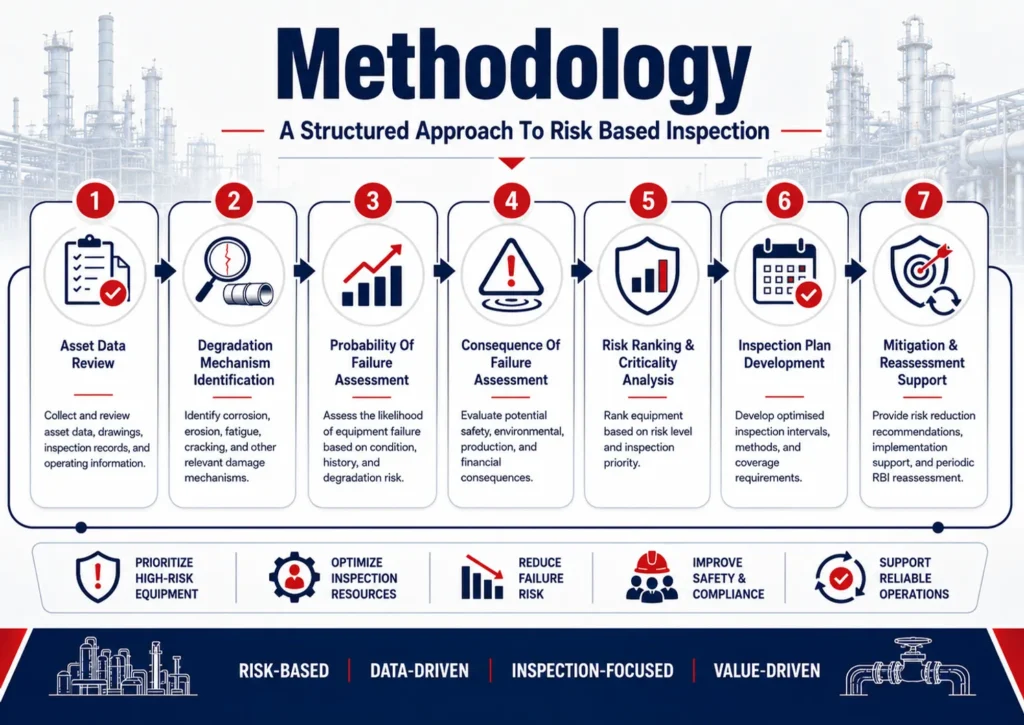
Risk Based Inspection is a structured methodology used to prioritise inspection activities based on the probability and consequence of equipment failure.
Instead of applying the same inspection interval to every asset, RBI helps organisations focus inspection efforts on higher-risk equipment while optimising resources for lower-risk assets.
The Process
How Risk Based Inspection Works?
Pure Integrity reviews asset data, inspection history, operating conditions, and degradation mechanisms to understand each asset’s risk profile.
From there, we assess probability of failure, consequence of failure, and criticality before developing an optimised inspection plan with practical mitigation and reassessment recommendations.
Problem We Solve
Aging Assets With Limited Data
We support RBI development even when inspection history or asset records are incomplete.
High Inspection Costs
We help optimise inspection efforts by focusing resources on higher-risk equipment.
Critical Equipment Prioritisation
We help asset owners rank equipment based on risk, consequence, and integrity concern.
Inconsistent Inspection Intervals
We develop structured inspection strategies aligned with risk and asset condition.
Degradation Management
We help identify and manage corrosion, erosion, and other degradation mechanisms.
CMMS Integration Challenges
We support integration of RBI findings into maintenance and inspection planning systems.
Benefits
Risk Based Inspection helps asset owners focus inspection resources where they matter most while maintaining safety, compliance & asset reliability.
Reduces unnecessary inspections by focusing on high-risk equipment
Minimises unplanned shutdowns and production losses
Optimises maintenance and inspection budgets
Supports regulatory and industry compliance requirements
Extends asset life through proactive integrity management
Enables data-driven decision-making for inspection planning
Why Us?
Pure Integrity provides practical RBI solutions tailored for brownfield, offshore, onshore & operating facilities.
Brownfield & Operating Facility Experience
Practical RBI solutions designed for existing assets, live operations, and complex facility conditions.
Multidisciplinary Expertise
Experienced team with operations, inspection, maintenance & asset integrity backgrounds.
Offshore & Onshore Understanding
Strong understanding of asset environments across offshore & onshore facilities.
Integrated Integrity Approach
Ability to align RBI with RCM, asset integrity programmes & maintenance strategies.
Implementation Support
Support for RBI implementation, reassessment & long-term optimisation.
Deliverables
Risk Based Inspection study report
Asset data and document review summary
Degradation mechanism review
Probability of Failure assessment
Consequence of Failure assessment
Risk ranking and criticality matrix
Optimised inspection plan
Mitigation and risk reduction recommendations
RBI reassessment and implementation roadmap
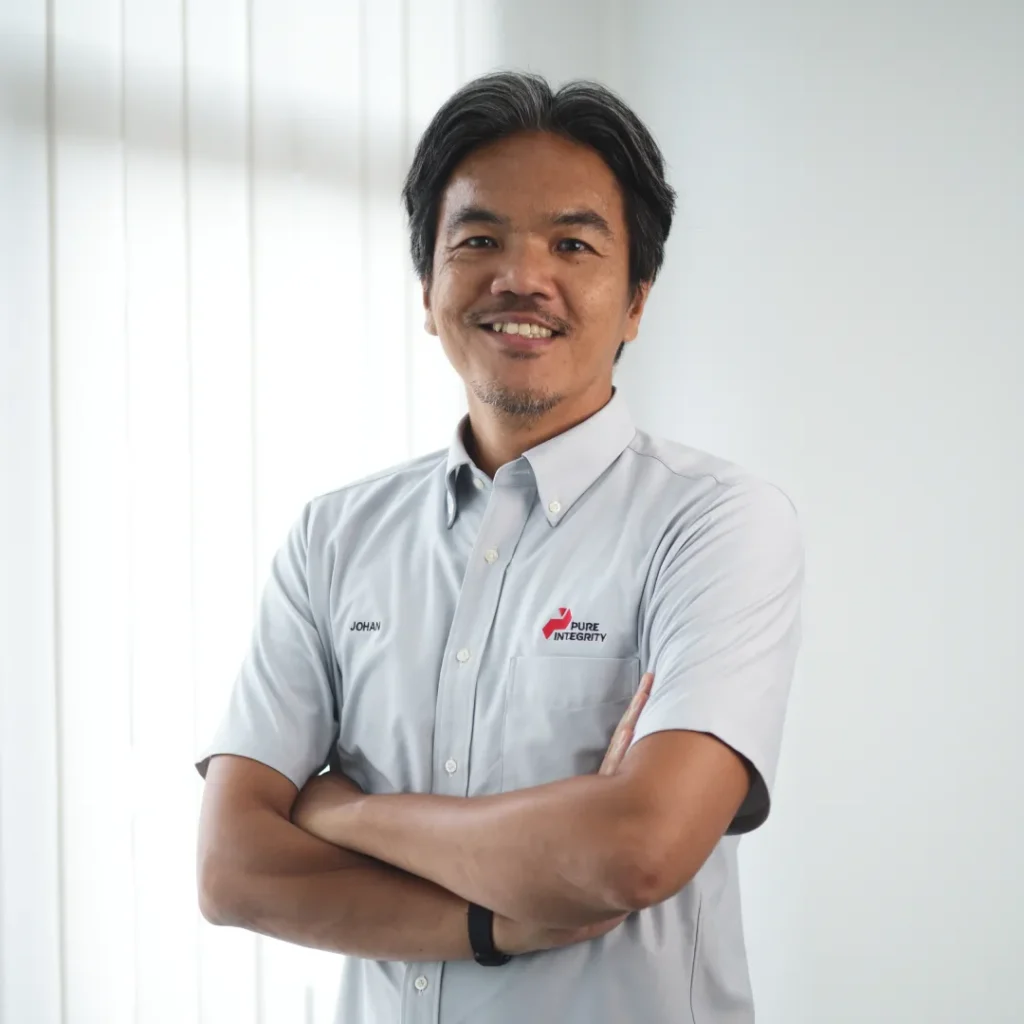
Johan Andak is a process safety and operations specialist with decades of experience in the oil and gas, petrochemical, and energy sectors. As Managing Director of Pure Integrity, he provides strategic and technical leadership in process safety, functional safety, and risk assessment, supporting major projects across Southeast Asia, the North Sea, West Africa, Brazil, and Australasia.
Education & Certificate

Bachelor’s Degree in Chemical Engineering
Universiti Teknologi PETRONAS (UTP) Certificate
Certified Functional Safety Engineer
(Safety Instrumented Systems) TÜV Rheinland
FAQ
-
What is Risk Based Inspection?
Risk Based Inspection is a methodology used to prioritise inspection activities based on equipment failure risk, considering both probability and consequence of failure.
-
Which equipment can be covered under RBI?
Risk Based Inspection can cover pressure vessels, piping systems, tanks, heat exchangers, boilers, and other static equipment.
-
What standards are commonly used for RBI?
Risk Based Inspection studies are commonly based on API 580 and API 581 methodologies.
-
How often should Risk Based Inspection studies be updated?
Risk Based Inspection studies are generally updated every 5 years, or after major operational changes, significant inspection findings, or incidents.
-
Can Risk Based Inspection reduce inspection frequency?
Yes. Low-risk equipment may qualify for optimised inspection intervals while maintaining safety, reliability, and compliance.
-
Can Risk Based Inspection help reduce inspection costs?
Yes. Risk Based Inspection helps reduce unnecessary inspections by focusing inspection resources on equipment with higher risk and greater potential consequences.
Who We Work With
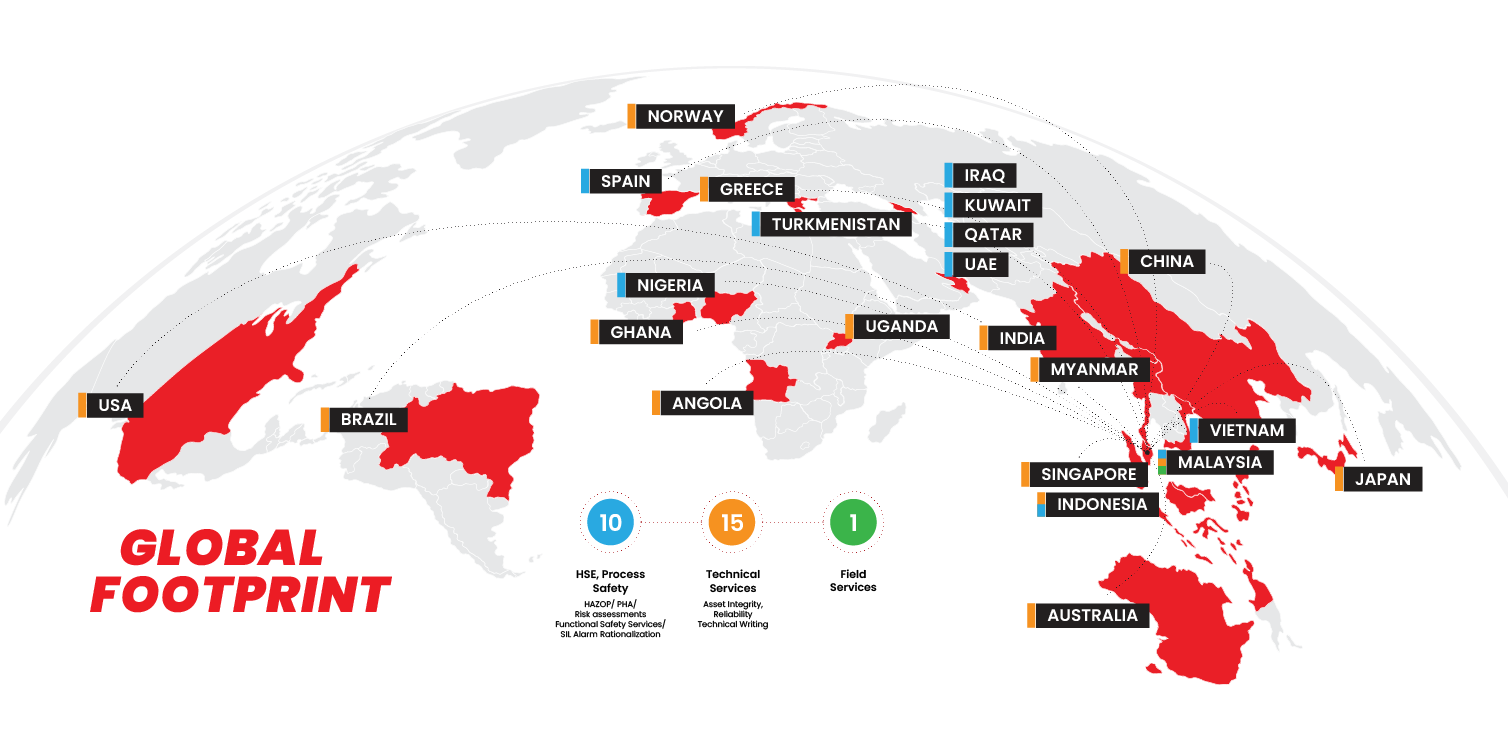
We have worked closely with many local and multi-national companies in Malaysia as well as overseas to fulfill their specific needs. Through close collaboration we have helped clients deliver safer, more reliable, and cost effective operations.


Need A Smarter Inspection Strategy?
Work with Pure Integrity to prioritise inspection activities, reduce unnecessary inspection effort & strengthen long-term asset integrity planning.
TUV Rheinland Partner | CIDB G4 Registered | HRD Corp Accredited