Industries We Serve

Engineering strategy built around the risk profile, standards, and operating realities of your industry.

Industries We Served

Moving your facility from reactive maintenance to Predictive Integrity using AI-driven data modeling.

Why Industries Need Engineering Strategy?

Every industry carries risk differently. A refinery’s exposure comes from ageing equipment and hydrocarbon inventory; a power plant’s comes from equipment criticality to generation uptime; a manufacturing floor’s comes from direct worker exposure during maintenance and changeover. Applying the same generic safety framework across all of them misses what actually drives risk in each environment.

Pure Integrity builds engineering strategy around the specific risk profile, standards, and operating context of each industry we work in, so recommendations are grounded in how your plant actually runs, not a generic checklist.

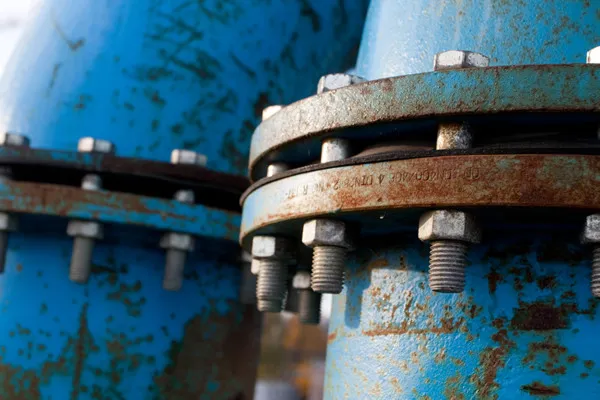
asset integrity
asset integrity

Different Approach Per Industry

Refinery

Risk: High hydrocarbon inventory across densely interconnected units, with ageing equipment often operating past original design assumptions.
Standards: IEC 61511, RBI, RCM-driven maintenance frameworks.
Outcome: Demonstrated ALARP compliance, fit-for-purpose maintenance strategy, sustained plant uptime.

Oil & Gas

Risk: Brownfield assets with layered modifications over field life, cumulative drift between original hazard studies and current operating reality.
Standards: IEC 61511, ISO 14224, HAZOP revalidation per CCPS guidance.
Outcome: Revalidated HAZOP nodes, improved asset register completeness, shift from time-based to risk-based maintenance.

Petrochemical

Risk: Reactive chemistry and interdependent utility systems built from a blank sheet, a narrow window to embed the safety basis before construction locks decisions in.
Standards: IEC 61511, ISO 14224, HAZOP/HAZID per IEC 61882 and CCPS methodology.
Outcome: HAZOP/LOPA closure against FEED-to-detailed-design milestones, complete asset register at handover.

Power Plant

Risk: Equipment criticality to generation availability, unplanned failure means lost revenue and grid-reliability exposure, not hydrocarbon release.
Standards: ISO 14224, RCM frameworks aligned to SAE JA1011/1012.
Outcome: Reduced unplanned outage hours, FMEA/RCM-optimised maintenance tasks, asset register completeness.

Manufacturing

Risk: Direct worker exposure to mechanical, electrical & stored-energy hazards during maintenance and changeover, not large-scale process consequence.
Standards: LOTO / energy-isolation principles, HIRARC per DOSH Malaysia, ISO 45001.
Outcome: Reduced isolation-related near-misses, equipment-specific LOTO procedures developed.

COMMON CHALLENGES ACROSS INDUSTRIES

Studies & Maintenance Strategy Running in Isolation

Hazard studies (HAZOP/LOPA) and reliability work (FMEA/RCM) are often owned by separate teams working from separate assumptions, leaving a gap between what's assessed and what's actually maintained.

Incomplete or Inconsistent Asset Registers

Equipment records accumulate decades of modifications, ownership changes, and system migrations, making it difficult to trust the data that safety and reliability work depends on.

Ageing Assets Operating Past Original Design Basis

As plants age, the assumptions behind the original safety and maintenance basis can quietly drift from what's actually installed and operating today.

Risk Assessments That Don't Reflect Real Operating Conditions

Generic, department- or area-level assessments often miss hazards that only appear in specific tasks, equipment, or non-routine activity, leaving real exposure unaddressed.

CHALLENGES WE SOLVE

Bridging Hazard Studies and Maintenance Strategy

Across refinery, oil & gas, and power plant work, we consistently see protection layer assumptions and maintenance task design treated as two separate exercises. Our approach ties both to a single, shared hazard basis — so what's assessed on paper matches what's actually maintained in the field.

Building Trustworthy Asset Registers From the Ground Up

Whether it's a brownfield asset inheriting incomplete records after an ownership transfer, or a greenfield project with the rare chance to build it right from day one, an accurate asset register is the precondition for any reliability or safety work that follows — and it's one of the most common gaps we're brought in to close.

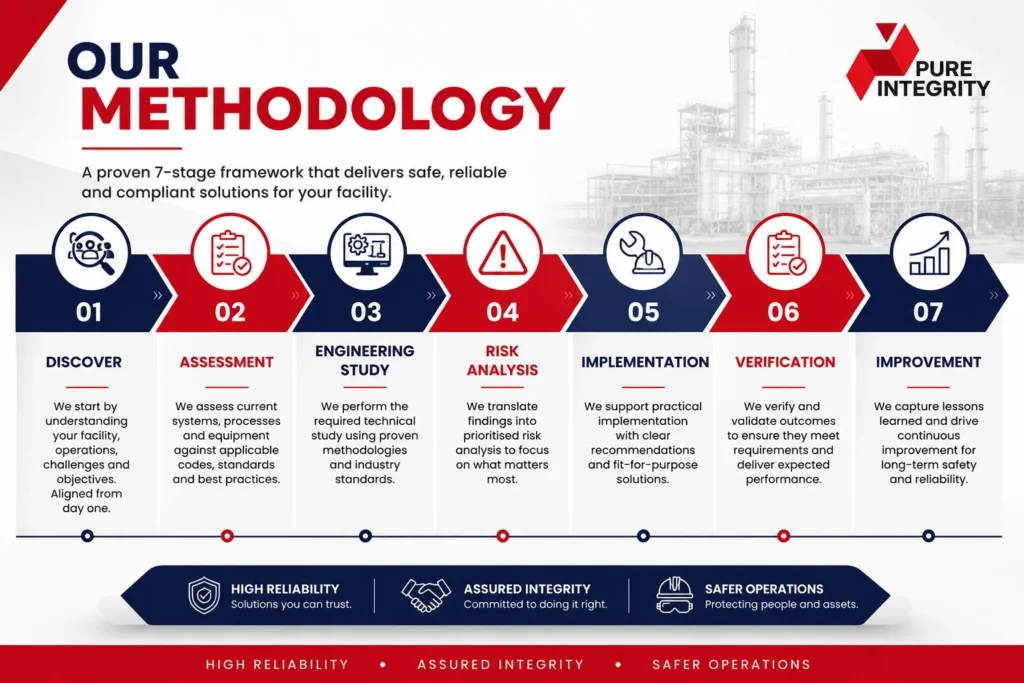
OUR METHODOLOGY

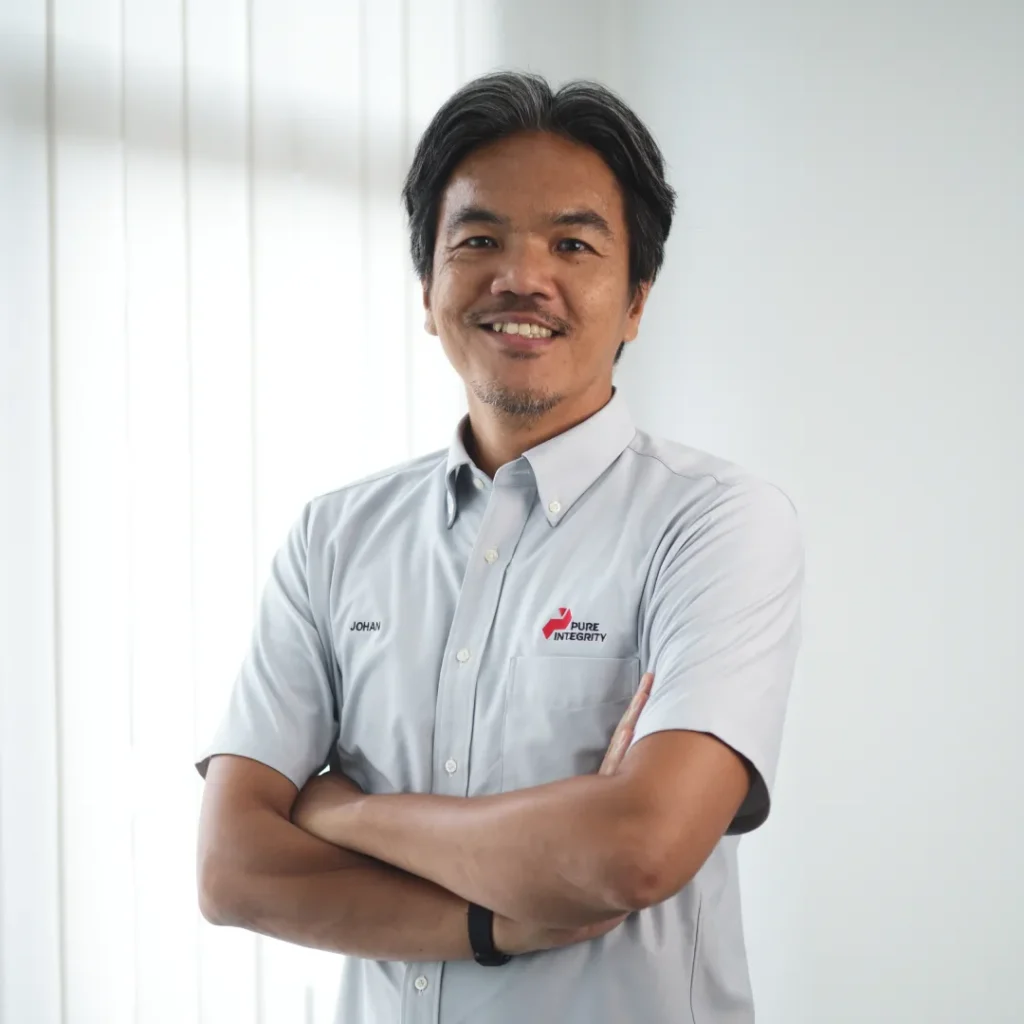
johan andak photo

Johan Andak

Managing Director
Pure Integrity Sdn Bhd

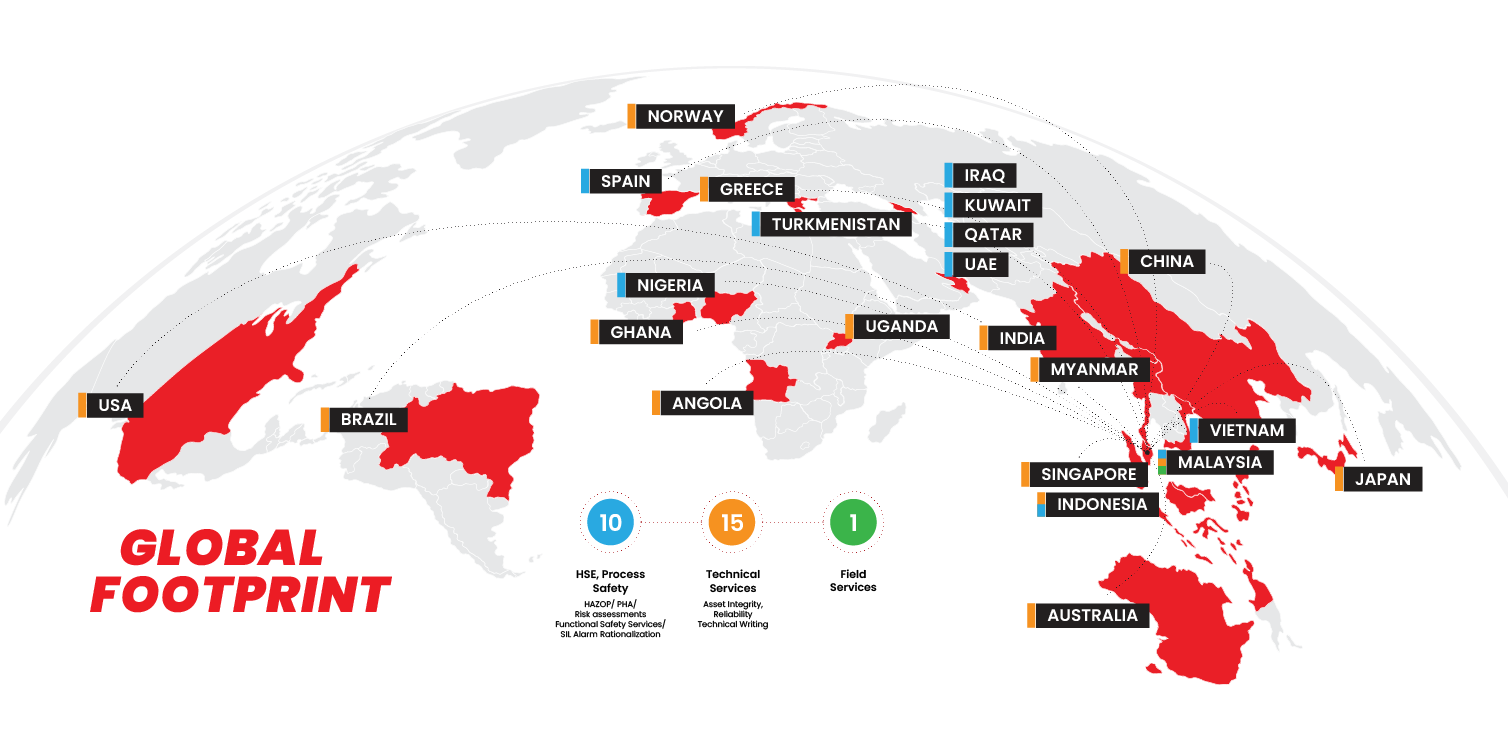
Johan Andak is a process safety and operations specialist with decades of experience in the oil and gas, petrochemical, and energy sectors. As Managing Director of Pure Integrity, he provides strategic and technical leadership in process safety, functional safety, and risk assessment, supporting major projects across Southeast Asia, the North Sea, West Africa, Brazil, and Australasia.

Education & Certificate

utp universiti teknologi petronas

Bachelor’s Degree in Chemical Engineering

Universiti Teknologi PETRONAS (UTP) Certificate  
tuv rheinland

Certified Functional Safety Engineer

(Safety Instrumented Systems) TÜV Rheinland
Who We Work With

We have worked closely with many local and multi-national companies in Malaysia as well as overseas to fulfill their specific needs. Through close collaboration we have helped clients deliver safer, more reliable, and cost effective operations.
Find the Right Strategy for Your Industry
Every plant carries risk differently. Talk to Pure Integrity about the engineering strategy built for how your industry actually operates.

Scroll to Top